by Alison Heathcote - Updated: May, 2026
Read more about the neurographic art inventor psychologist Pavel Piskarev.
What Is Neurographic Art?
Introduction
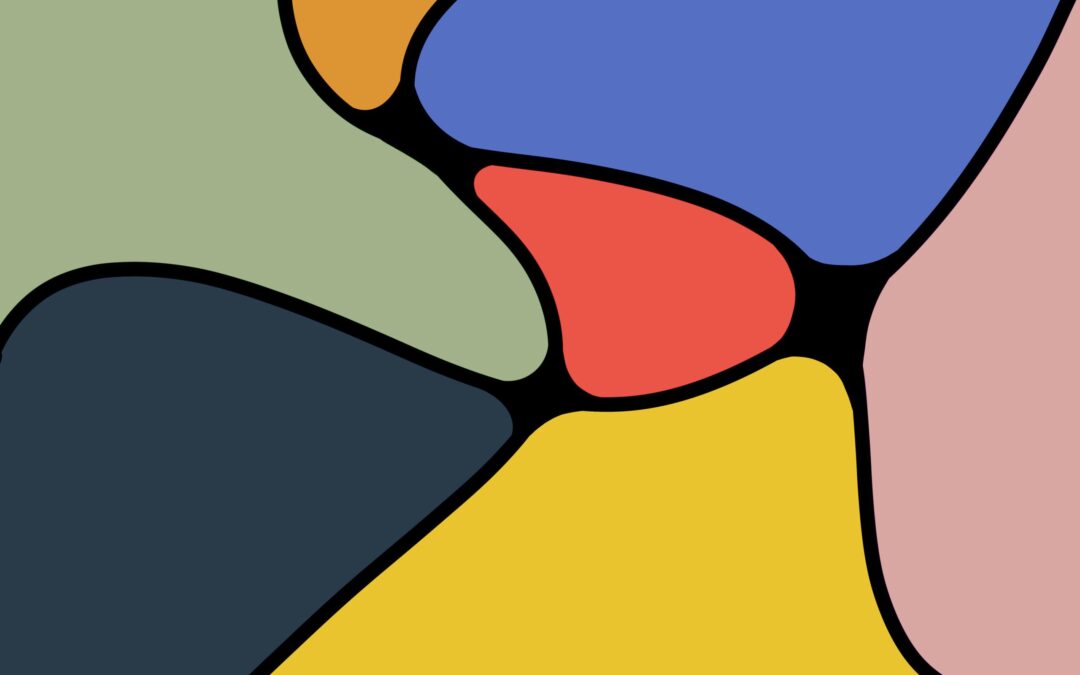
Neurographic art is a mindful drawing practice that combines flowing lines, curved intersections and abstract shapes to create expressive artwork.
Many people enjoy neurographic art because it encourages relaxation, creative exploration and reflective thinking. The process is gentle, intuitive and accessible even if you do not think of yourself as an artist.
Unlike traditional drawing, neurographic art is less about creating a realistic image and more about allowing thoughts and feelings to move freely onto the page.
Why People Enjoy Neurographic Art
The benefits of neurographic art are often subtle and personal. Many people find that the process helps them:
- reduce stress
- relax and unwind
- focus their thoughts
- explore emotions visually
- practice mindfulness
- gain fresh perspective
- enjoy creativity without pressure
Some people use neurographic art as part of a journaling or reflective practice while others simply enjoy making colorful abstract artwork.
Thought, Word and Deed
Creative expression often begins with a thought.
Before making art, you first decide to sit down, gather supplies and begin. Neurographic art encourages you to slow down and become more aware of your thoughts as they move through the creative process.
This mindful connection between the hand, the pen and the page is one of the reasons many people find the practice calming and meditative.
Three Types of Neurographic Art
Over time, artists tend to develop their own approach to neurographic art. Most styles fall into three broad categories.
Specific Neurographic Art
This method uses the traditional neurographic line throughout the artwork. Many artists use this approach for deep reflection and mindful creative practice.
Learn more about how the neurographic line works in my article Understanding the Neurographic Line.
Popular Neurographic Art
This style uses flowing curves, shapes and rounded intersections. It is playful, decorative and beginner-friendly.
Popular neurographic art is often used in workshops, schools and casual art sessions because it is approachable and relaxing.
Combination Neurographic Art
Combination neurographic art blends neurographic lines, smooth curves, shapes, color and embellishments together.
This mixed approach is one of the most common styles because it balances mindfulness with creative freedom.
Is Neurographic Art Right for You?
Neurographic art may appeal to you if you enjoy:
- abstract art
- mindful creativity
- journaling and reflection
- relaxing art activities
- intuitive drawing
- slow creative living
There is no single correct way to practice neurographic art. The process is personal and can evolve over time.
Next Steps
Create Your Own
If you would like to begin drawing neurographic art, these next tutorials will help:
Watch the Video
In the accompanying video I demonstrate the basics of neurographic art, explain the different methods and share examples of how the process works in practice.
Resources For You
Books
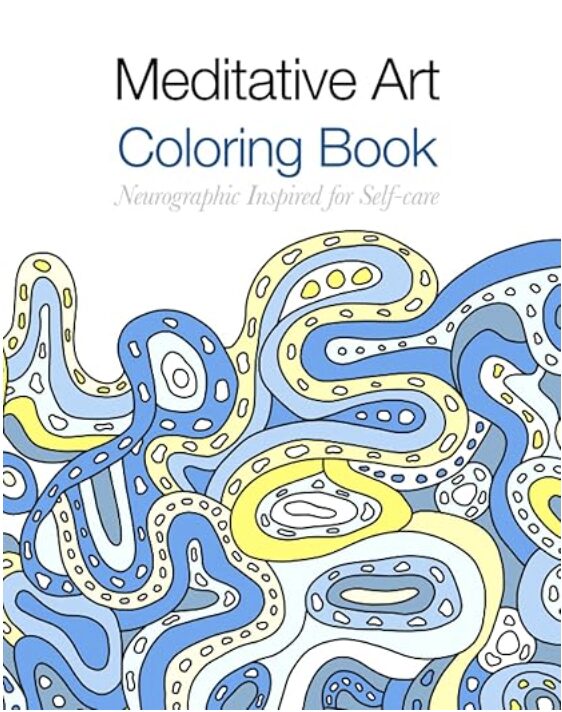
Here are some books which may interest you:
Author Bio
Alison Heathcote writes about living creatively and building a meaningful life on your own terms. Through gentle reflections on solo living, home and everyday creativity, she explores how to shape a life that feels calm, intentional and deeply your own. More
How to use Bingo Journal Pages to Support Your Creative Life
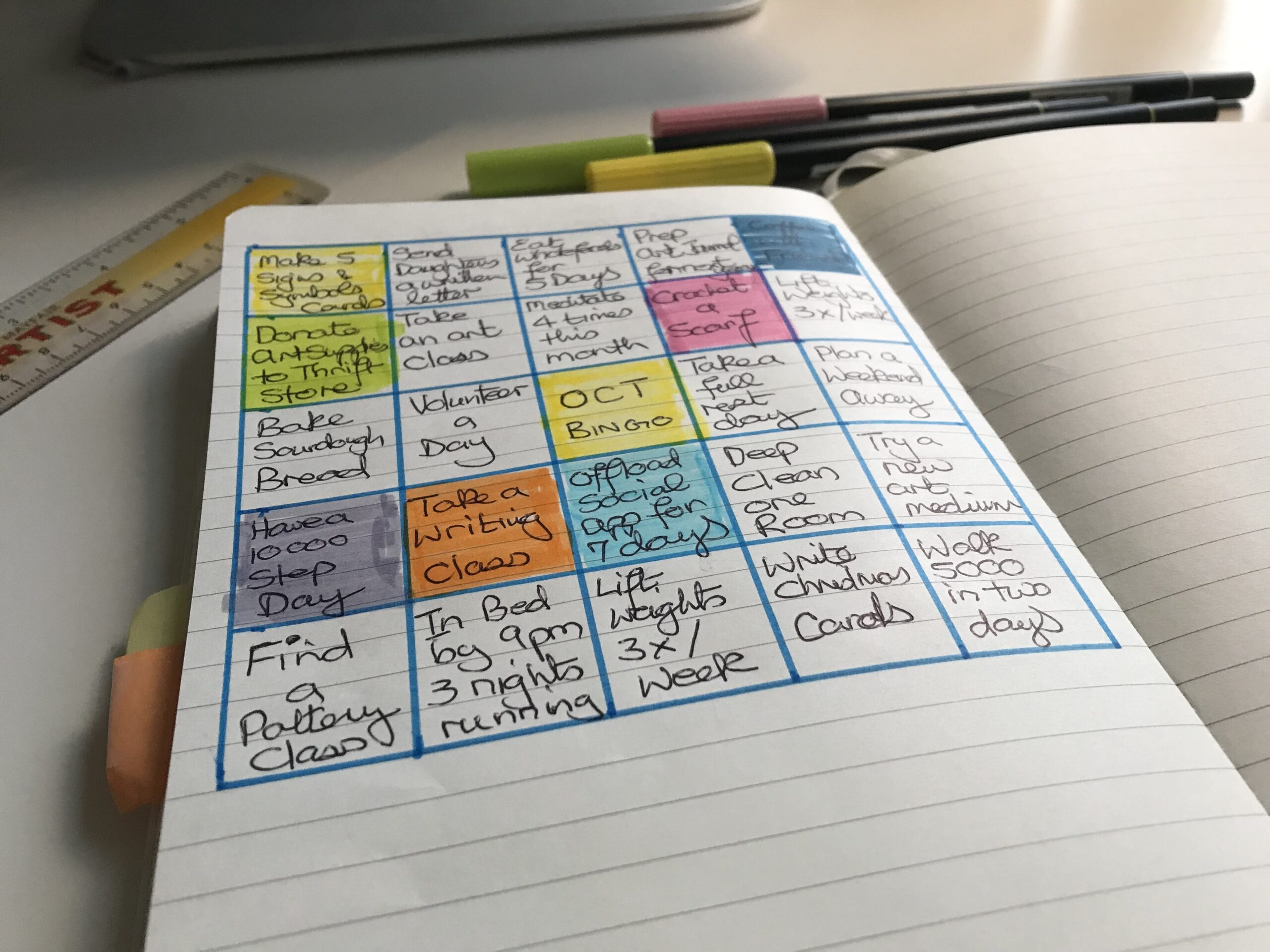
Discover the benefits of creating a BINGO page or spread in your journal to support your creative life.

Sketching Butterflies
In this article, I share with you how I began sketching little butterflies in my mini square sketchbook.

Seasons of Art Group
Seasons of Art is a group that meets once each season with a focus on developing creativity and self-care through simple art and journaling.

Simple Daily Art Cards for a Creative Life
This article is about living a creative life and making art but where you don’t have to go overboard to be creative.
How to Do a 1-Day Writing Retreat
A 1-day writing retreat is a great way to get started with writing retreats, writing and retreats in general.
How to Use “Notes From Nature” Art Cards
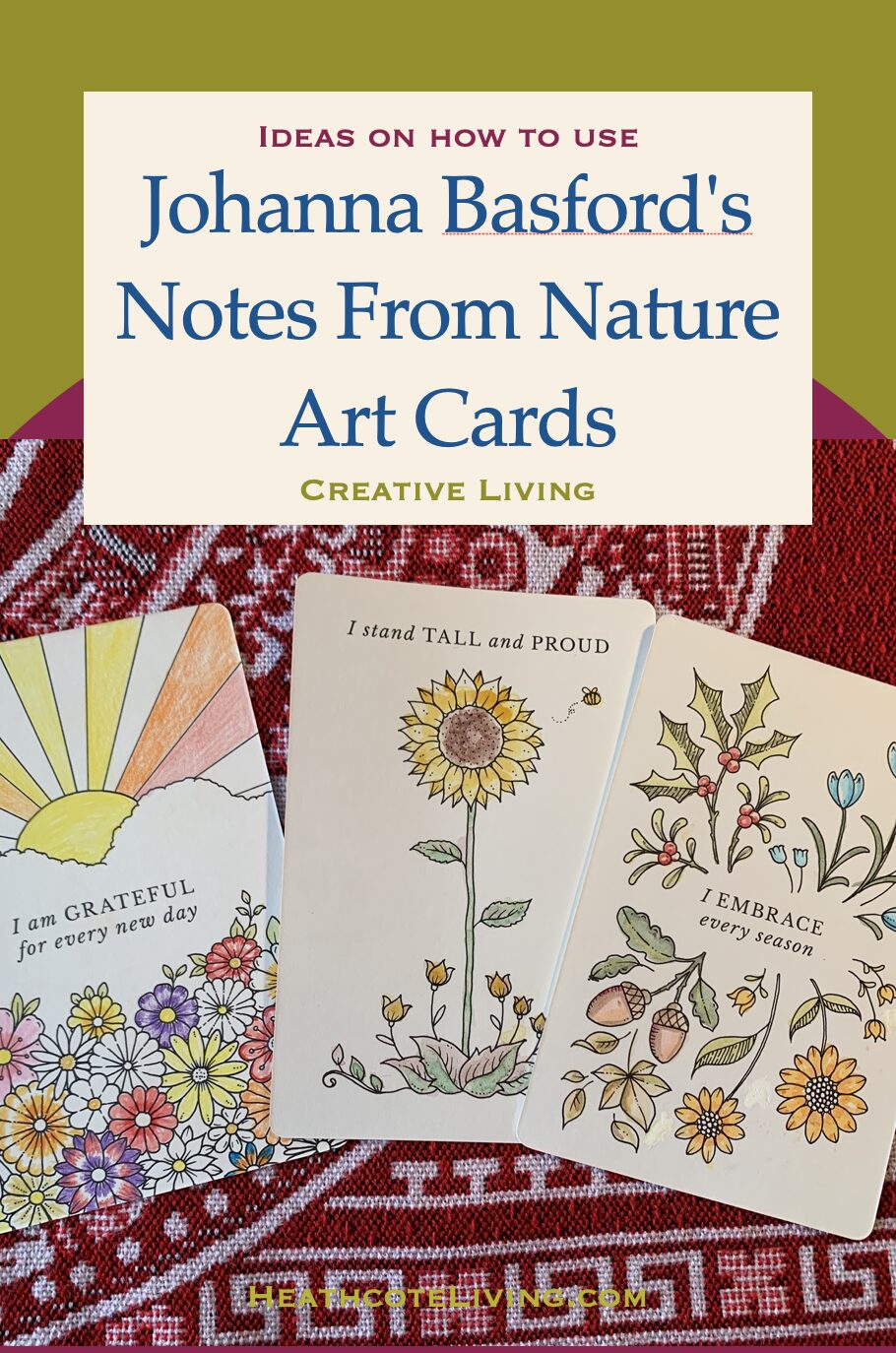
Discover how to use Notes from Nature art cards from Johanna Basford.
Artist Trading Card Club: Downtown Vancouver
An Artist Trading Card Club in downtown Vancouver coming soon.
Meet the Artist: Jules – Watercolor Artist from Peaches Art Studio
I was delighted to meet with and interview an exceptional artist and friend of mine, Jules, from Toronto, Canada.
Top 3 Art Books I’m Reading This Summer as a Hobby Artist
Summer is the perfect time to slow down with a good book and a cool drink. These books are keeping my creative mind buzzing and my hands itching to pick up a paintbrush.
Meet the Artist: Claire – Graphic Designer from Price Design Studio
In this artist interview, get more inspiration and meet Claire, a graphic designer and founder of Price Design Studio.