
by Alison Heathcote - Published: May, 2026
Solo Living
This article is part of my solo living series where I share thoughtful ideas around solitude vs loneliness, building confidence alone, daily routines and structure, creating a peaceful home life, decision making on your own, emotional resilience and enjoying your own company. Alison
Overview
As a creative, organizing and going on a writing retreat is an inspirational and fun thing to do.
Planning a solo writing retreat can be a wonderful way to reconnect with your creativity, focus on your projects and step away from daily distractions. In this article, Alison shares how she organized a three-night writing retreat to Whistler, British Columbia, complete with a flexible writing timetable, quiet reflection time and moments for rest and inspiration.
She explains why she chose the retreat location, how she balanced writing sessions with relaxation and the importance of creating a realistic plan before leaving home. From early morning gratitude journaling and coffee shop writing sessions to evening walks through Whistler Village, the retreat was designed to support both productivity and wellbeing.
The article also explores the challenges of writing as a creative practice and how dedicated time away can help bloggers, artists and writers deepen their focus and return home feeling refreshed and inspired.
How to Plan a Writing Retreat
Introduction
Planning a Writing Retreat
I have been working as a creative person, writer, blogger and artist for about four years now.
Last year I was fortunate enough to go on a writing retreat with my good friend Johanne, but this year I'm going by myself or solo.
You can read more about that here.
Why a Retreat?
The idea of a retreat is that you go away for a few days, maybe to a hotel, perhaps to the woods and go to a cabin and work on your art.
This sounds like the perfect weekend to me.
The writing I'm doing is really the blog articles and this newsletter, so even though I'm a crafter, I also have to produce some writing each week for my audience.
Writing
To be honest, writing is not really my strength, but it's something that I've been practicing and trying to get better at recently.
Last winter I took a grammar course at our local university and also a course about writing for the web as well.
I have to say, it wasn't easy.
At that level, they do assume you know a lot and I struggled to catch up, to keep up, but I pushed on.
Writing Retreat Planning
Ground Rules
For this year's writing retreat I am returning to the same hotel we stayed at last year which is the Pinnacle in Whistler.
The criteria for choosing this hotel are simple:
- It must be within two hours' drive of Vancouver which is where I live.
- It had to have a pool or a hot spring for relaxing in.
- It had to be reasonably affordable, so it is not a 5-star resort.
- On my hotel room I spent, CAD$180 (US$132) per night.
- My coach round trip with Skylynx was CAD$22.05 (US$16.14)
Three Night Stay
I to take a Sunday, Monday, Tuesday and Wednesday "weekend".
I will leave home on the Sunday, stay Sunday, Monday and Tuesday nights, and return home on the Wednesday.
Basically, it was a three night stay away, but I still called it a weekend.
I needed a hotel, resort or lodge whcih met all of these criteria.
Retreat Accommodation
I'm staying at the Pinnacle Hotel in Whistler, which is around 125 kilometers (78 miles) from Vancouver.
It will take me two hours to get there by coach.
The road is highway 99 generally referred to as the "Sea to Sky Highway" up the west coast of British Columbia, Canada.
Retreat Timetable
What to Do
If you're not careful, you end up not doing anything like the writing I had planned, and I'm just sitting by the pool casually sipping my piña colada.
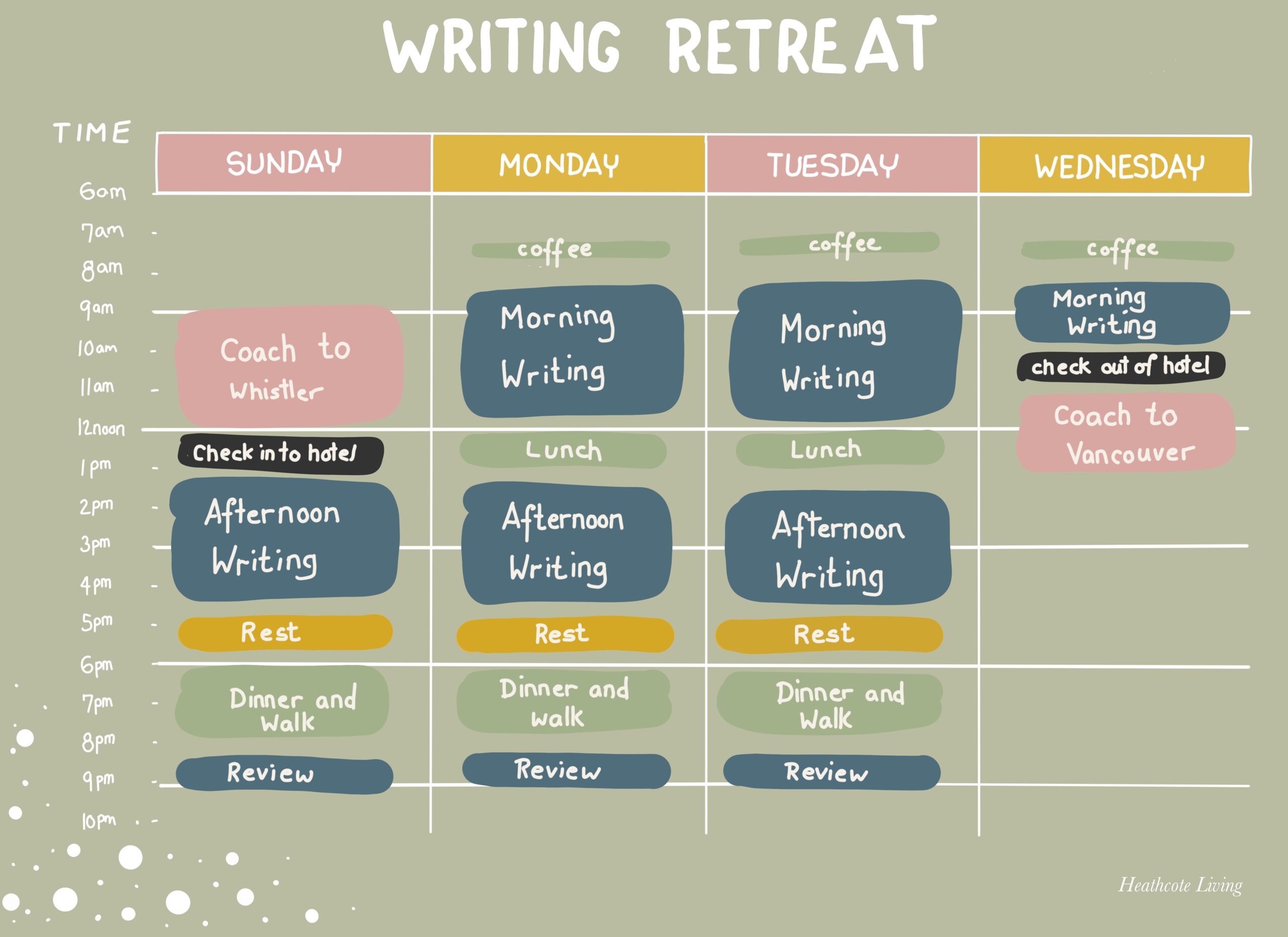
Retreat Timetable Draft
I just wanted to make things a little clearer in my head about what I had in mind for this writing retreat.
So, I crafted out this timetable.
21 Hours of Writing
1260 Minutes
My planned timetable returns a modest twenty-one hours of solid writing for my weekend writing retreat.
I may deviate from the plan.
I may succumb to sightseeing who knows?
But to have a plan drawn in full color as a timetable for myself I believe helps me to be a bit more prepared and that's a good thing.
I'll let you know my words count when I get back.
Sunday
9:00 a.m.: Leave Home
With my bags I walk up to the bus stop which is at the Hyatt Regency hotel, about three blocks from my home.
9:30 am: Coach Trip
Board the coach, put my suitcase in the hold and take my city bag onto the coach and find my seat.
11:30 am: Arrive at Whistler
I arrive at the Whistler Village Center Gateway loop. This is where all the busses and coaches terminate.
11:45 am: Walk to the Hotel
Next, I get my suitcase and walk the 150m to the hotel.
It does depend on which hotel you are staying at which bus stop to get off at in the Village.
When I arrive at the hotel, I'll probably have to leave my bags at the reception because I can only check into my rooms at 4:00 PM.
My plan is to check the bags with the hotel concierge and circle back around and pick them up later.
12:00 pm: Lunch
Quick lunch and beverage.
1:00 pm: Afternoon Writing Session
I envisage me with my laptops doing some writing in the coffee shop in the lobby of the hotel.
I wanted to start my writing immediately and not get sidetracked with sightseeing. Tempting as that is.
4:00 pm: Check Into Room
Now I can pick up my bags from the bag check at the concierge desk and go up to my room.
I can get things sorted out, unpack and freshen up.
At this point I may want to take a rest, but if not, then perhaps an hour of writing in the room before dinner.
6:00 pm: Dinner
I plan to walk into the village and find a spot for dinner. There will be only three dinners which are the main meals of the day.
7:30 pm: Walk
Walk outside, promenade and get some fresh air.
Now I'll wander over to the little grocery store to get some milk for my tea to make in my room.
Probably I'll take some photos as well.
Again, now there is the option of another hour or two writing either on the patio or in the lobby.
9:00 pm: Room
Back in my room for some reflection and writing about the day.
Maybe some journaling as well.
At this point I also want to do some "review" and the review is of the writing that I did earlier in the day, because I am here for the writing.
Additionally, I want to set up in my mind what I would be focusing on the next day, and what my next day's project and word count goals are.
Monday
6:00 am: Wake up
Obviously, I take a shower, wash my hair and freshen up.
I'll wear some light makeup, jewelry, some comfy clothes and shoes.
Morning Routine: Gratitude Journaling
Most mornings I do a little bit of gratitude journaling.
Writing down by hand in my journal what I'm grateful for and these are simple things such as being grateful for my family, my friends, my health, my creativity and so on.
I have no doubt that on this morning I'll be being grateful for having got to go on this writing retreat myself.
Stretching
I sometimes wake up a bit creaky, so I like to do morning stretches.
This is not Jane Fonda feel-the-burn type stretching, its gentle stretching of my whole body, backwards, forwards and sideways to ease out any kinks which may have tried to creep in during the night.
6:15 am: Coffee
Coffee and croissant in the coffee shop.
I'm not much of a breakfast person, but I definitely enjoy some coffee and maybe a little pastry just to get me going.
After the coffee, I would probably take a little walk outside.
I could get some fresh air and perhaps even hear the birds chirping and things like that.
Take more photos.
I may do a little sketch in my travel sketchbook while I'm about it.
8:00 am: Morning Writing Session
This is the main morning writing chunk.
It will probably start at 8:00 AM maybe even 7:00 AM it depends on how the morning goes.
I anticipate to either be writing in the coffee shop or perhaps on a patio somewhere in the fresh air with my laptops.
This morning session of writing will go on until noon, so it's going to be a solid three or four hours of writing.
12 Noon: Lunch
Take a moment for lunch somewhere for an hour or so.
1:00 pm: Walk Outside
Another walk outside and it's not that I'm a big walker, but I want to make sure that I wasn't stuck in the hotel for the whole three days.
I want to get outside, even if I'm just walking in the grounds of the hotel or in the gardens or whatever is available.
Just to get a little bit of exercise after eating.
A promenade perhaps.
1:30 pm: Afternoon Writing Session
This is the afternoon session of writing.
Hopefully I can sit somewhere comfortably to do my main afternoon writing.
This session will go on until around 4:00 PM, so it's going to be a good two to two and a half hours of concentrated effort in the afternoon.
I also wanted to make the afternoon session of writing slightly shorter than the morning one.
In the morning when I am fresher, I can get three or four hours of writing in.
Whereas in the afternoon I may be starting to flag.
4:00 pm: Rest or Writing
Either continue writing for another hour to 5:00 PM or otherwise go back to the room for a rest.
I do like to put my feet up in the afternoon.
Why not?
I'm away from my busy life in the city and I don't want to be exhausted.
Because to have a rest spot on the schedule, I won't feel bad saying, "I'm going to have a rest now" and doing so.
However, if I did feel strong, I could push on with the writing and feel good about doing that.
6:00 pm: Dinner
Walk in to the village for my Monday dinner in a nice restaurant.
Perhaps a glass of wine.
7:00 pm: Promenade
Once more a promenade or walk outside after eating just to limber up a little better and let the food digest.
This may or may not be what I actually end up doing, but I want it on the timetable to make sure I had the option to do so.
8:00 pm: Optional Evening Writing Session
If I'm feeling strong at this point, I can get another hour of writing in from 8:00 till 9:00PM.
It just depends.
9:00 pm: Back to Room
Back to my room for reflection on the day and to review of the writing that I have done that day.
Again, this is also the time when I'll plan what I'll be working on the next day writing wise.
When I set up the timetable, I don't know just how much writing I'm going to get done or whether I'm going to get sidetracked or whether some other ideas are going to come to me and I going to end up doing some different type of writing.
I don't want to lay a firm structure to what I would write at what each session.
I just want to have something loose on the timetable which I can work with and flex into how I was feeling, how the weekend was going and even what the weather and vibe was like at the hotel.
Tuesday
Same as Monday
I'll do the same thing on Tuesday as I did on Monday.
Wednesday
5:30 am: Morning Routine
Shower, dress and makeup.
Gratitude journaling and some stretching in the room.
Just like yesterday.
Pack my bag and leave it in the room.
6:30 am: Coffee
Coffee and pastry in the coffee shop.
7:00 am: Morning Writing
Maybe squeeze in an hour of writing.
10:00 am: Check Out
Check out of hotel.
Walk over to the bus loop where I will catch the coach home.
11:00 am: Board Coach for Return Journey
I now journey back home to Vancouver on the coach.
1:00 pm: Return to Vancouver
Arrive back in the city around 1:00 PM however, I expect it depends on the traffic.
I exit the transport and gather my suitcase and walk back the three block back home.
Phew!
Overarch
Writing Retreat Benefits
As a creative person or blogger, you don't need to do a writing retreat, but if you do decide to, it will enrich your writing for the months to come and probably your life as well.
Let me know if you've ever done a writing retreat or perhaps an art retreat. I'd love to hear from you.
How it All Went
In a future Heathcote Living newsletter I'll let you know how it all went and whether my detailed planning was of any use whatsoever.
More to Come
And in a still later edition, I'll share some of my travel sketchbook images and thoughts from my weekend away as well.
Resources For You
Books
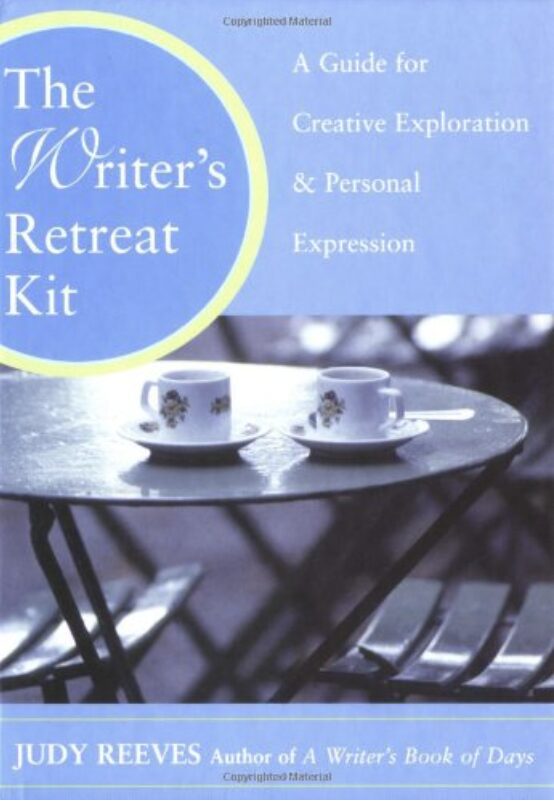
Here is a book which may interest you:

Author Bio
Alison Heathcote writes about living creatively and building a meaningful life on your own terms. Through gentle reflections on solo living, home and everyday creativity, she explores how to shape a life that feels calm, intentional and deeply your own. More

Sketching Butterflies
In this article, I share with you how I began sketching little butterflies in my mini square sketchbook.

Seasons of Art Group
Seasons of Art is a group that meets once each season with a focus on developing creativity and self-care through simple art and journaling.

Simple Daily Art Cards for a Creative Life
This article is about living a creative life and making art but where you don’t have to go overboard to be creative.
How to Do a 1-Day Writing Retreat
A 1-day writing retreat is a great way to get started with writing retreats, writing and retreats in general.
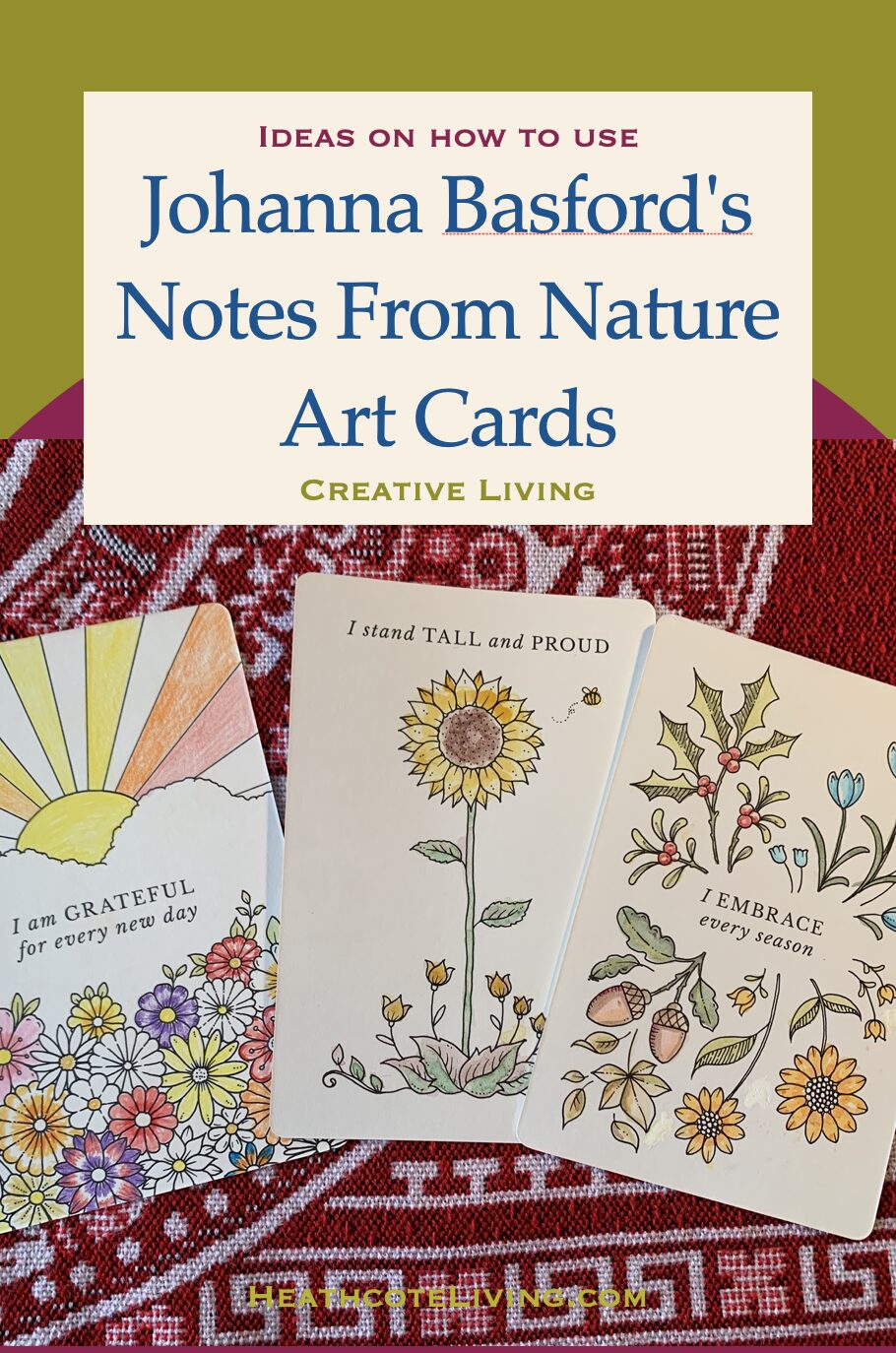
How to Use “Notes From Nature” Art Cards
Discover how to use Notes from Nature art cards from Johanna Basford.

Artist Trading Card Club: Downtown Vancouver
An Artist Trading Card Club in downtown Vancouver coming soon.
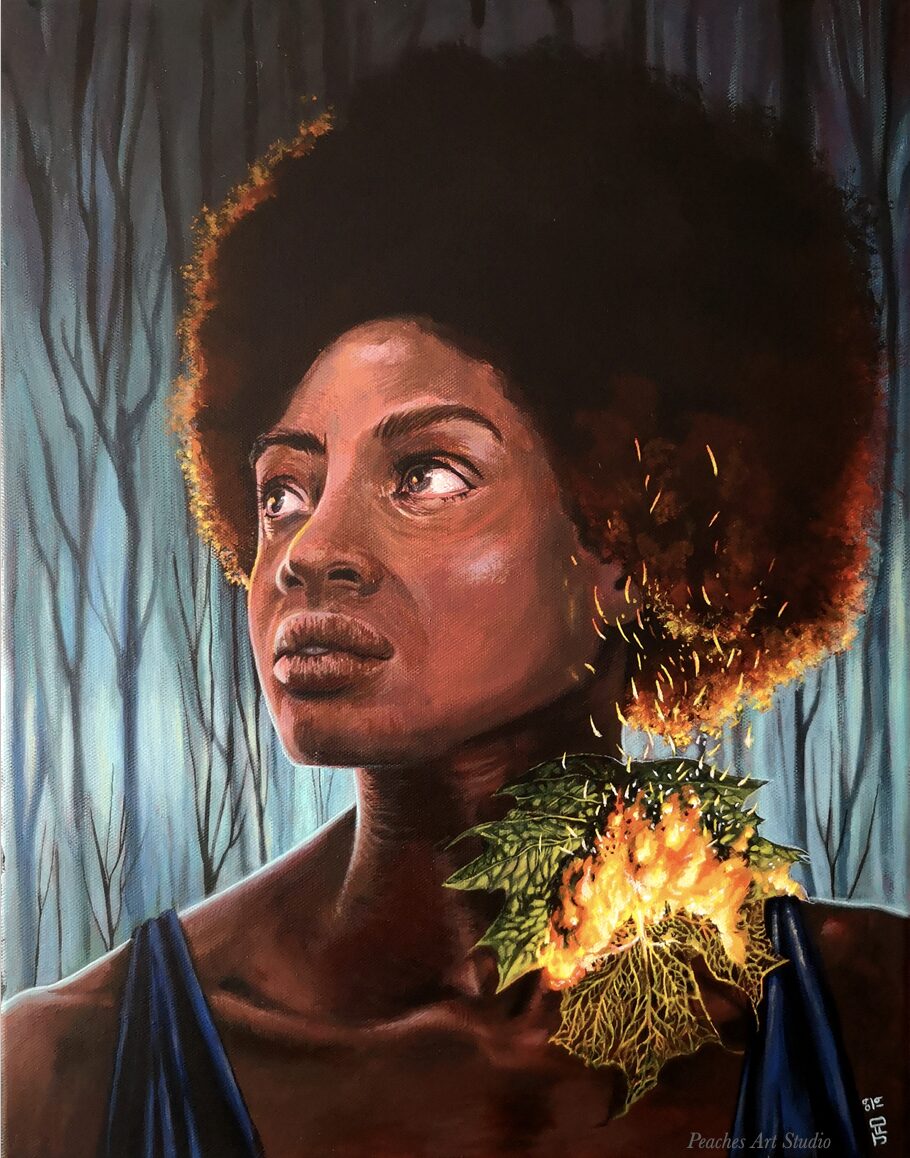
Meet the Artist: Jules – Watercolor Artist from Peaches Art Studio
I was delighted to meet with and interview an exceptional artist and friend of mine, Jules, from Toronto, Canada.
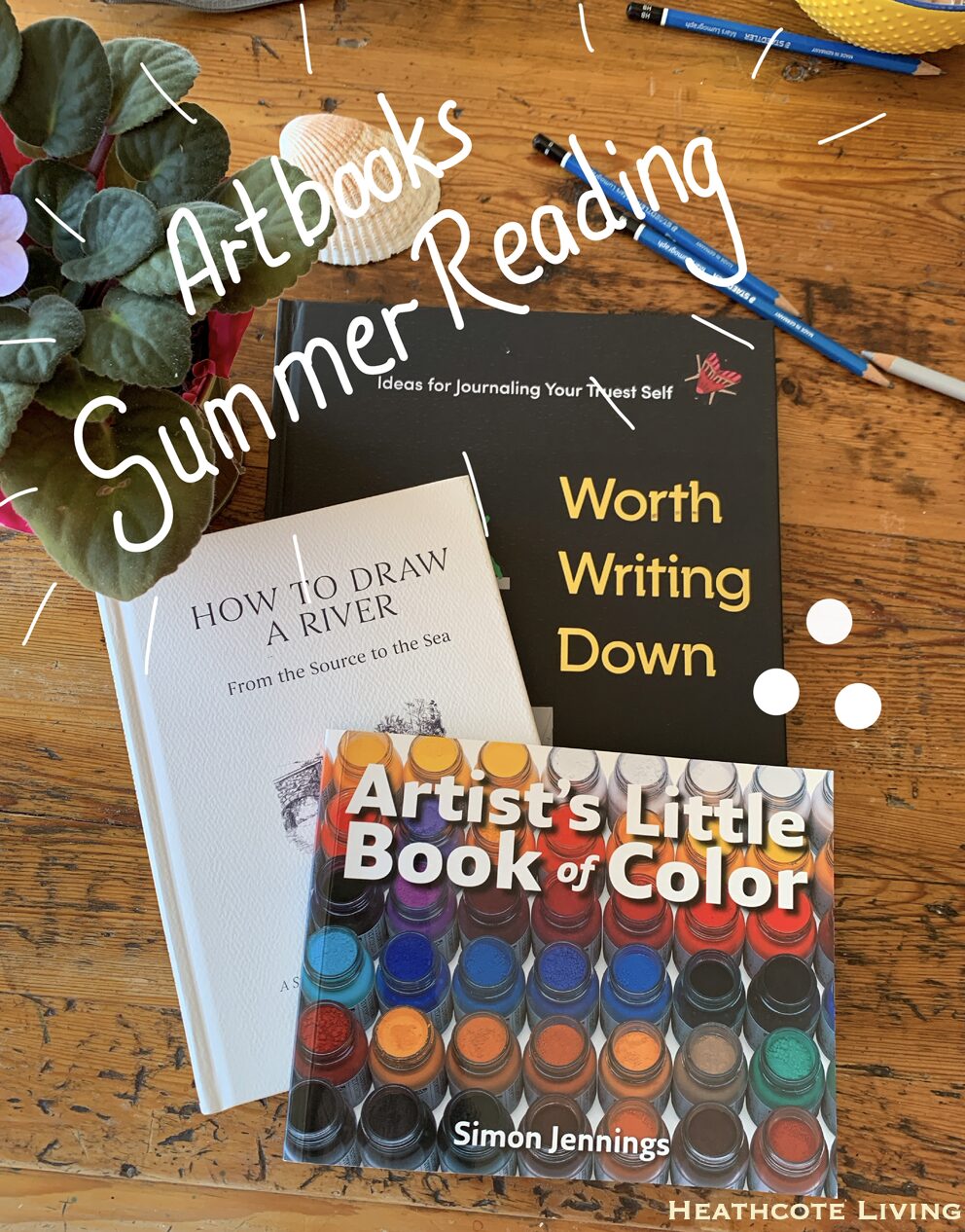
Top 3 Art Books I’m Reading This Summer as a Hobby Artist
Summer is the perfect time to slow down with a good book and a cool drink. These books are keeping my creative mind buzzing and my hands itching to pick up a paintbrush.
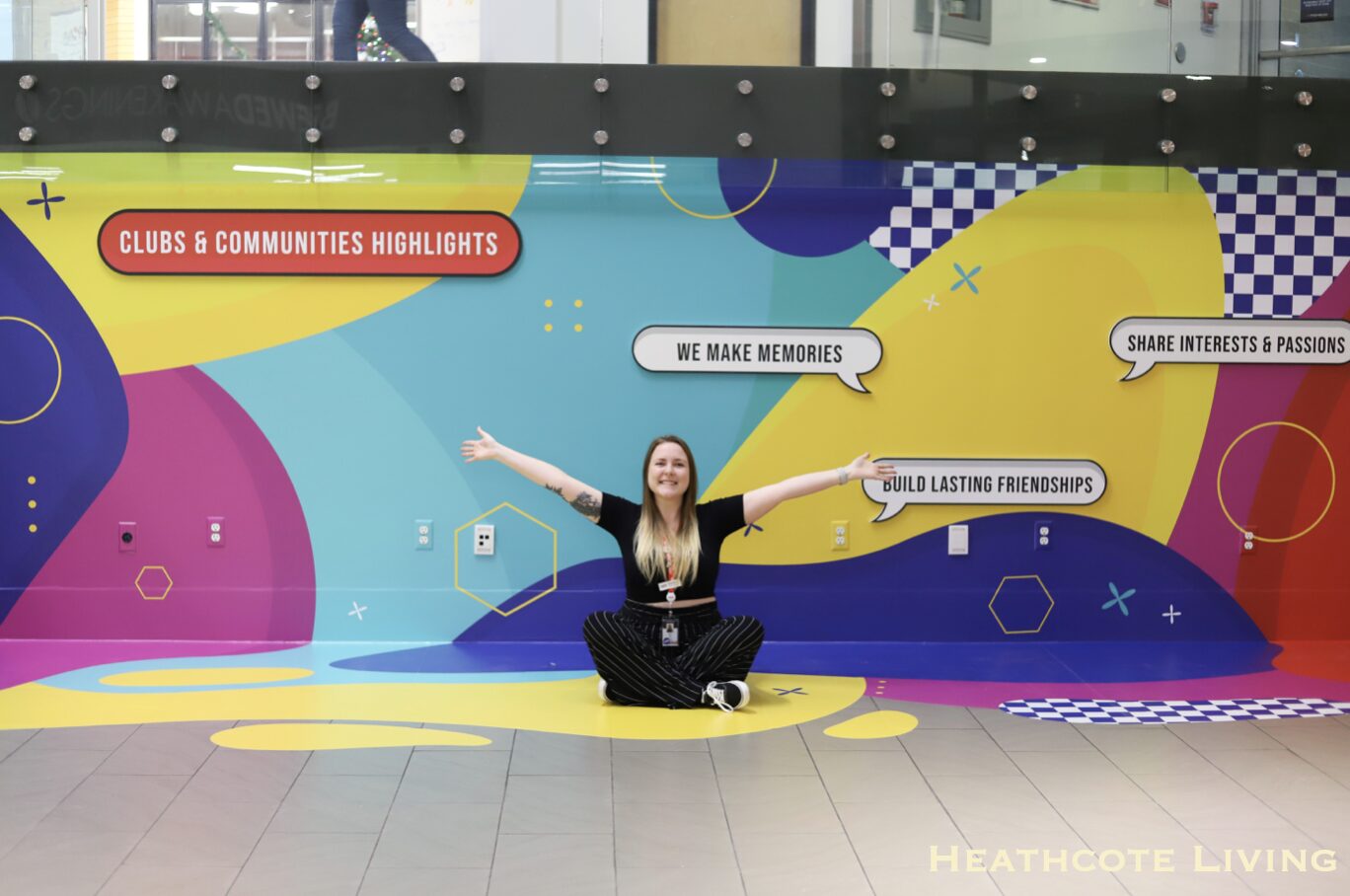
Meet the Artist: Claire – Graphic Designer from Price Design Studio
In this artist interview, get more inspiration and meet Claire, a graphic designer and founder of Price Design Studio.
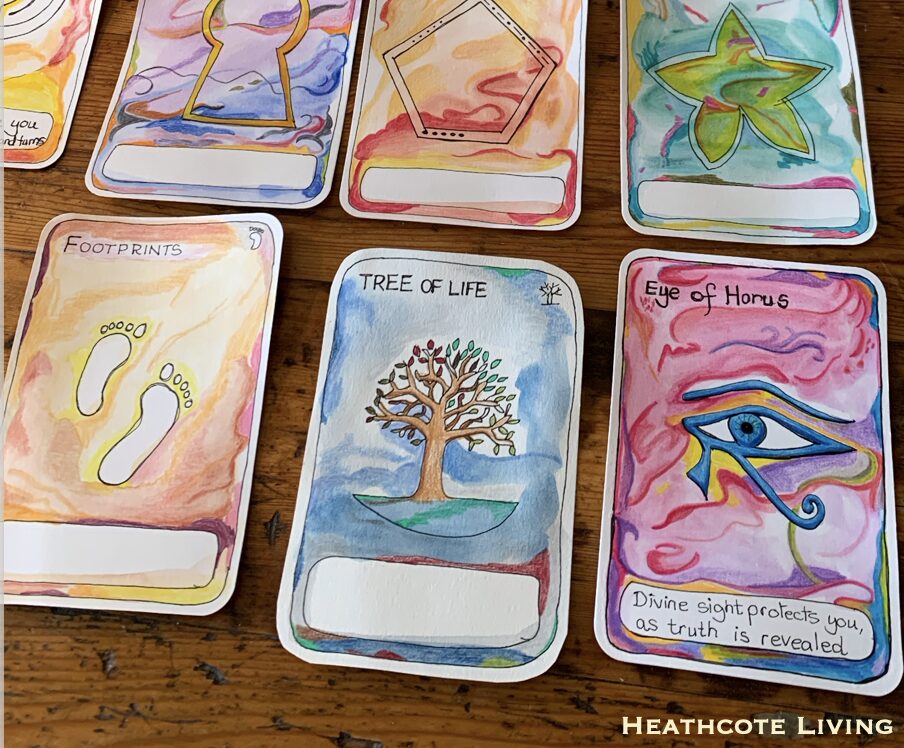
Create Your Own Artspiration Card Deck
Creating your own artspiration cards is a fun and quick practice for any hobby artist. These little cards give you a spark of inspiration whenever you need it.