by Alison Heathcote - Published: May, 2026
How to Smooth Intersections in Neurographic Art
Introduction
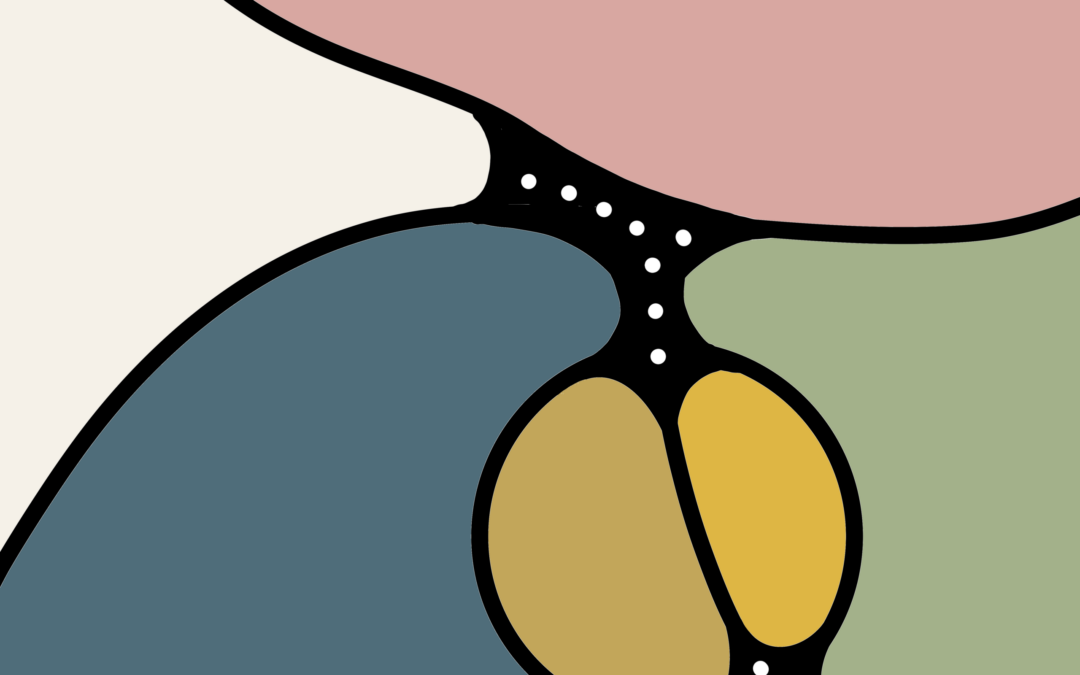
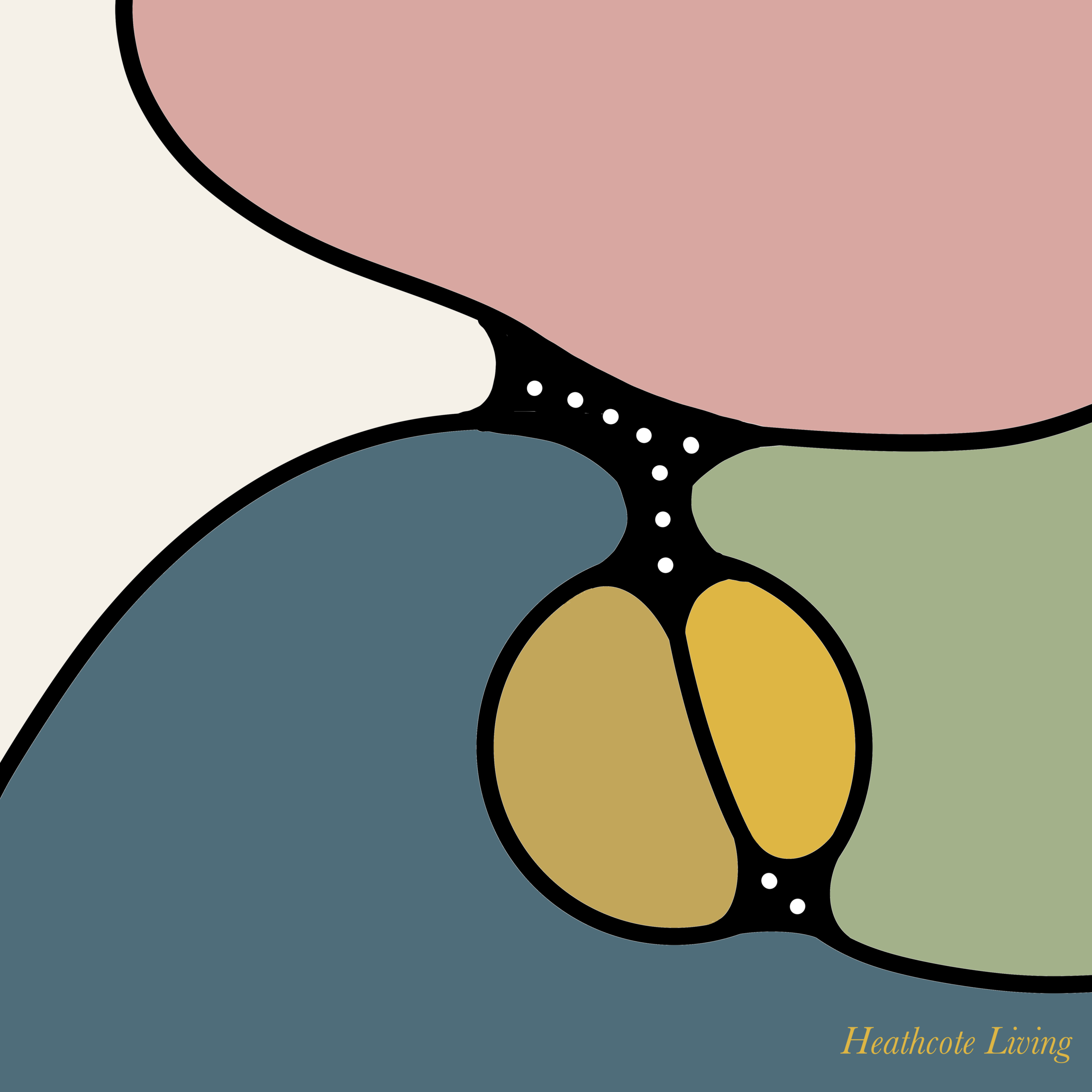
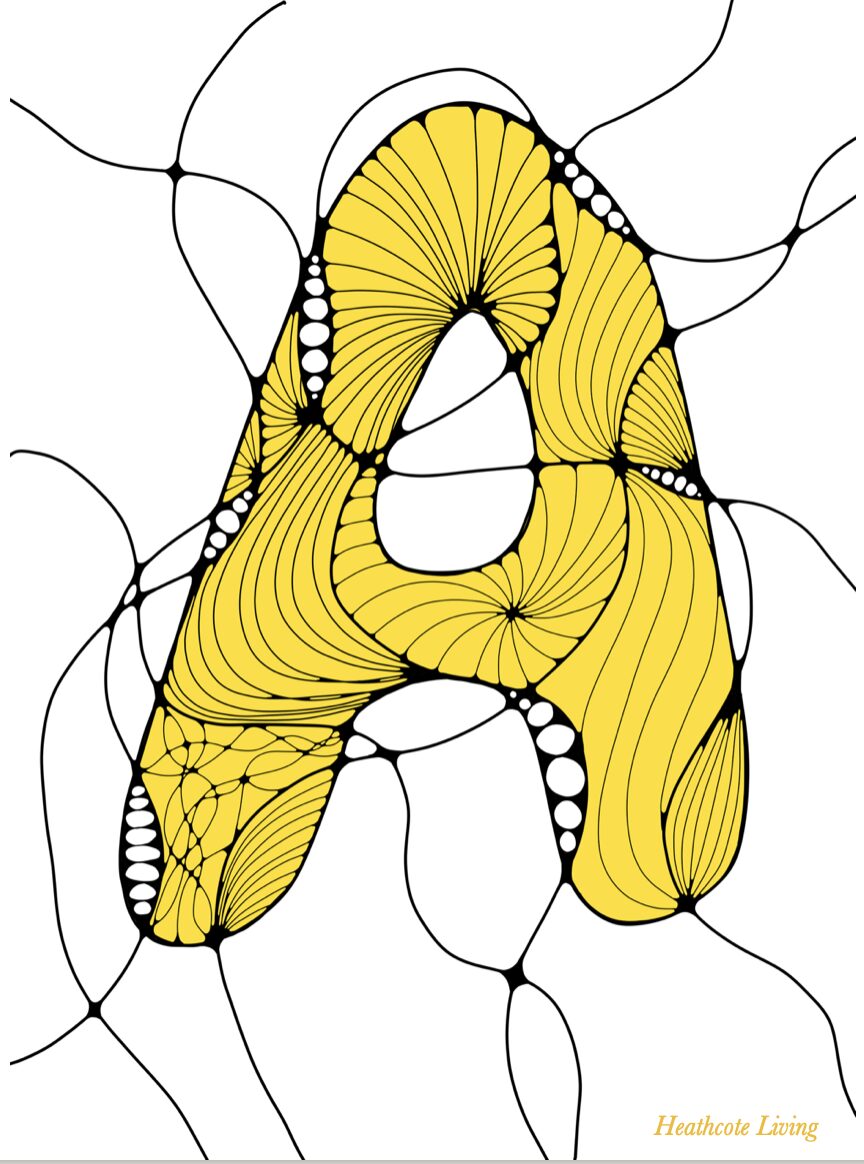
One of the most recognizable parts of neurographic art is the rounded intersection.
If you are new to this process, begin with What Is Neurographic Art? and Understanding the Neurographic Line first.
These curved connections soften the artwork visually and help create the flowing appearance associated with neurographic drawing.
Many people also find the repetitive process of smoothing intersections calming and meditative.
What Are Intersections?
Intersections occur wherever:
- two lines cross
- a line meets a shape
- several lines gather together
Rather than leaving sharp corners, neurographic art smooths these areas with curved connections.

How to Curve Intersections
Using a black pen:
- Look at where two lines cross.
- Round each sharp corner with a smooth curve.
- Continue until the intersection feels soft and connected.
- Most simple intersections will contain four curved corners.
This process transforms the drawing from harsh and angular into something more organic and flowing.

Working Slowly and Mindfully
Curving intersections takes time.
Many artists find this repetitive stage deeply relaxing because it encourages slower movement and quiet focus.
As you work, allow your thoughts to drift naturally. Some people like to reflect on an intention or question while drawing.
I discuss intention-setting further in Understanding the Neurographic Line.
Different Types of Intersections
Not all intersections will look the same.
You may encounter:
- right-angle crossings
- narrow angles
- curved crossings
- large multi-line hubs
Each one can be softened gradually with rounded curves.
With practice, you will develop your own style and rhythm.
Adding Color and Embellishments
Once the intersections are complete, you can begin adding:
- color
- shading
- patterns
- dots
- stars
- flowers
- abstract embellishments
This is often the most playful and expressive part of the process.
Reflecting on Your Artwork
When your artwork is complete, spend a few quiet moments looking at it.
You may notice:
- recurring shapes
- emotional responses
- unexpected ideas
- feelings of calm or clarity
Some artists like to keep a notebook nearby and write down thoughts that appeared during the process.
Extend Yourself
In your art journal please do the following:
Intent
Write one to three words on the back of your page to guide your artwork.
Draw
Create flowing lines and shapes across the page.
Connect
Smooth each intersection slowly and mindfully.
Embellish
Add color and decorative details to complete the artwork.
Reflect
Write down any ideas or feelings that arose while creating your piece.
Explore More
Neurographic Art
Continue exploring:
Resources For You
Books
Here are some books which may interest you:
Author Bio
Alison Heathcote writes about living creatively and building a meaningful life on your own terms. Through gentle reflections on solo living, home and everyday creativity, she explores how to shape a life that feels calm, intentional and deeply your own. More
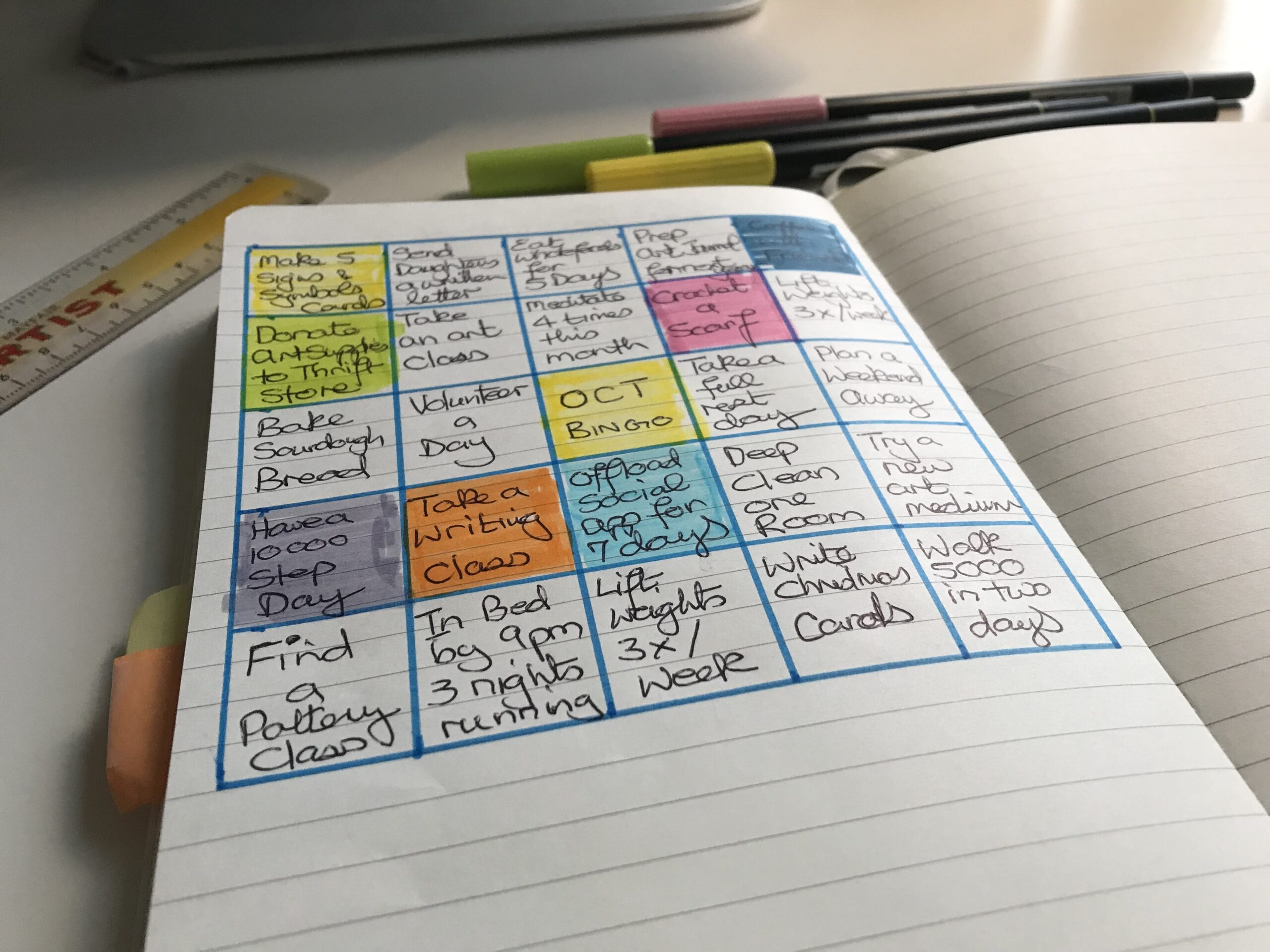
How to use Bingo Journal Pages to Support Your Creative Life
Discover the benefits of creating a BINGO page or spread in your journal to support your creative life.

Sketching Butterflies
In this article, I share with you how I began sketching little butterflies in my mini square sketchbook.

Seasons of Art Group
Seasons of Art is a group that meets once each season with a focus on developing creativity and self-care through simple art and journaling.