by Alison Heathcote - Published: May, 2026
Understanding the Neurographic Line
Introduction
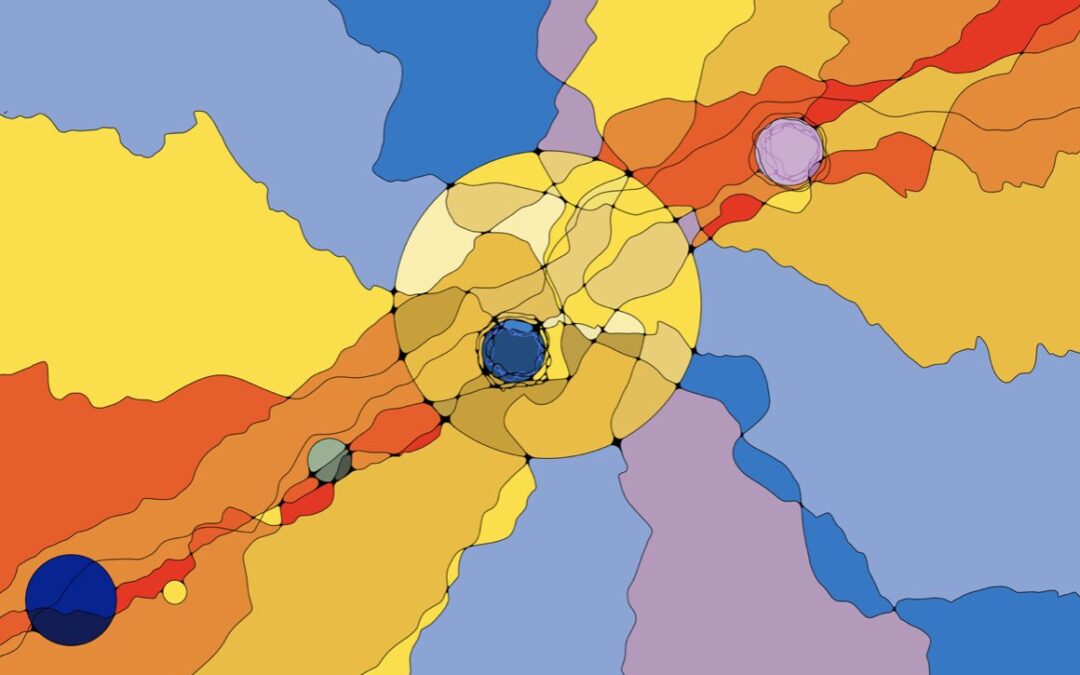
One of the defining features of neurographic art is the neurographic line.
If you are completely new to this practice, you may first enjoy reading What Is Neurographic Art?
This line is different from a regular curved or straight line because it is designed to move in an unpredictable and intuitive way across the page.
Many artists feel that drawing this type of line encourages fresh thinking and helps break repetitive creative patterns.
What Is a Neurographic Line?
The neurographic line follows three basic principles:
- it does not repeat the same path
- it changes direction once you become aware of where it is going
- it continues toward the edge of the page or merges into another shape
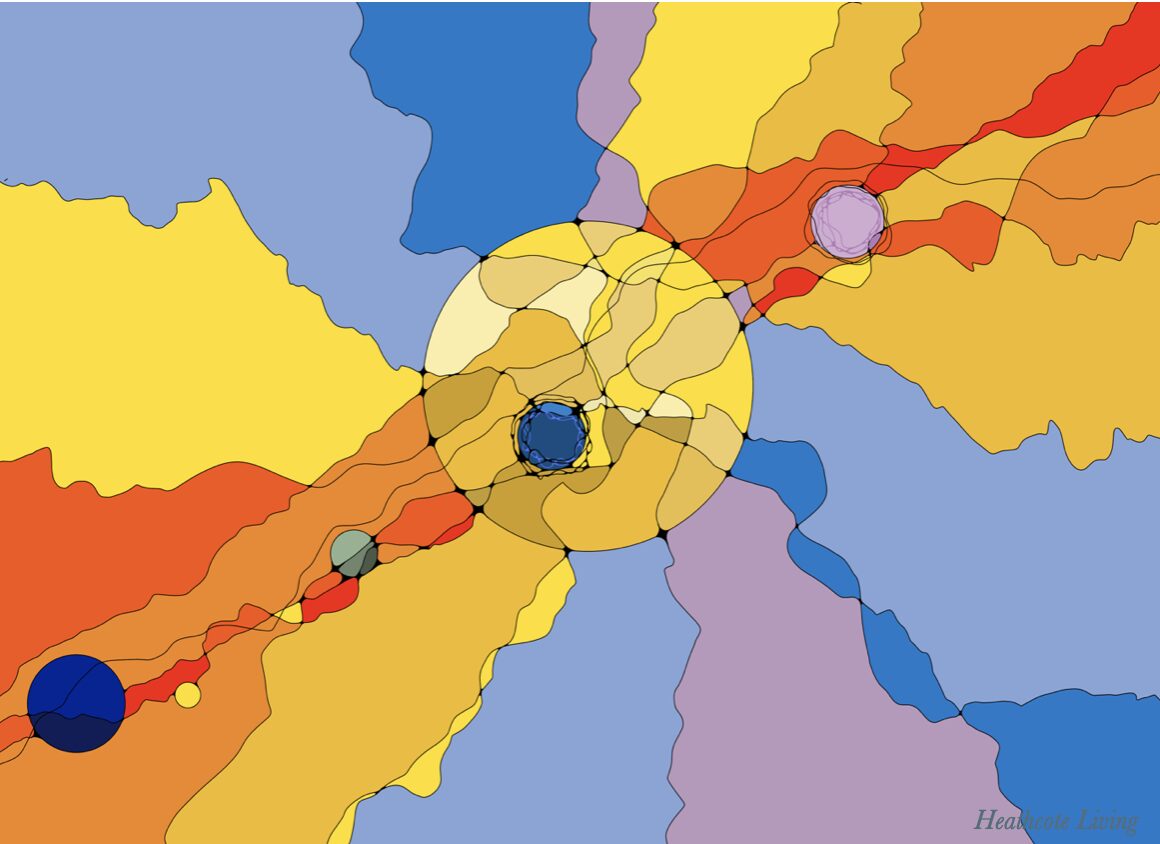
The result is a flowing, organic line that feels spontaneous and alive.
What a Neurographic Line Is Not
A neurographic line is not:
- a straight line
- a smooth wave
- a perfect curve
- a geometric shape
Instead, it shifts direction naturally and unpredictably as you draw.
Using Your Non-Dominant Hand
One interesting technique is to draw with your non-dominant hand.
If you are right-handed, try drawing with your left hand and vice versa.
Many people find this slows the process down and encourages greater focus and awareness while drawing.
Using the non-dominant hand can also help loosen perfectionism and make the artwork feel more intuitive.
Intention Setting
Some artists like to begin with a simple intention before starting their artwork.
This does not have to be complicated. It may simply be:
- clarity
- confidence
- change
- balance
- rest
- new direction
You can quietly reflect on this idea while creating your artwork.
The goal is not necessarily to find a direct answer, but to create space for reflection and new perspectives.
A Simple Neurographic Art Exercise
To begin:
- Take a blank sheet of paper.
- Draw several flowing neurographic lines across the page.
- Allow the lines to move freely without planning.
- Pause and change direction whenever you notice where the line is heading.
- Continue until the page begins to fill naturally.
At this stage, your drawing may still look messy or unfinished. That is completely normal.
The next step is learning how to smooth the intersections where the lines cross.
The next step is smoothing the intersections. Read How to Smooth Intersections in Neurographic Art
Next Steps
Now that you understand the neurographic line, the next stage is learning how to curve and smooth your intersections to create flowing artwork.
Watch the Video
In the accompanying video I demonstrate how to draw the neurographic line and share examples of different approaches you can try.
Resources For You
Books
Here are some books which may interest you:

Author Bio
Alison Heathcote writes about living creatively and building a meaningful life on your own terms. Through gentle reflections on solo living, home and everyday creativity, she explores how to shape a life that feels calm, intentional and deeply your own. More
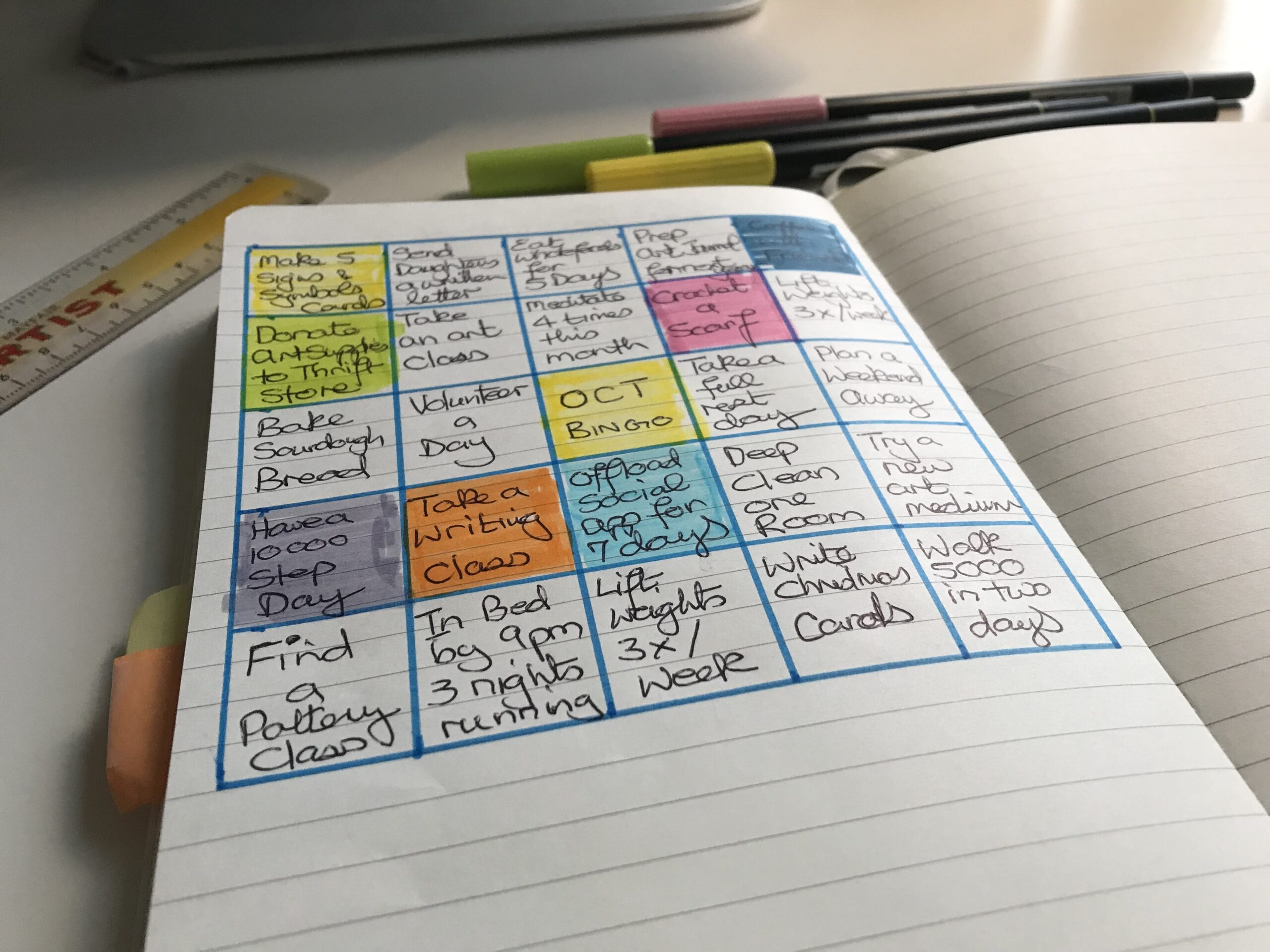
How to use Bingo Journal Pages to Support Your Creative Life
Discover the benefits of creating a BINGO page or spread in your journal to support your creative life.

Sketching Butterflies
In this article, I share with you how I began sketching little butterflies in my mini square sketchbook.

Seasons of Art Group
Seasons of Art is a group that meets once each season with a focus on developing creativity and self-care through simple art and journaling.