by Alison Heathcote - Published: May, 2026
Creative Living
This article is part of my creative living series where I share ideas on art, craft, writing and generally living a creative life. Alison
The Meaning of Color
Introduction
How We Experience Color
Colour has long been associated with mood, atmosphere and emotional response. The colours you wear, decorate with and naturally feel drawn to can subtly influence how you feel and how you experience your surroundings.
Although colour trends change over time, many traditional colour associations continue to appear across art, psychology, culture and spiritual practice.
In this article, I'm sharing some common meanings connected with different colours as a gentle guide for personal reflection, creative inspiration and everyday living.
Disclaimer
These are my findings, but colour meanings are often symbolic, cultural and personal.
Be aware that different traditions may interpret colours in different ways, and individual experiences with colour can vary.
Color
Mood
You can use colour to boost your mood.
Wear the colour you like or choose a colour whose meaning is how you want your day to go.
Pastel, primary, jewel or darks?
Pastels
Pastels (lemon, lavender, mint green, baby pink and baby blue) are calming, soothing and non-confrontational. Pastels look good on babies and the elderly.
Primaries
Primaries (red, yellow and blue) all stimulate the brain but in different ways.
Jewel Colors
Jewel colours (purple, teal, amber and ruby) are grown up and indicate confidence, up beat and positive vibes.
Dark Colors
Dark colours suggest control and power. They can imply seriousness and subdued danger.
White
Let's take a closer look at the colour white and some of its meanings.
White: Physical
White contains all colours and reflects everything in balance. It feels clean, fresh and simple.
White: Spiritual
White is connected to divine light and higher consciousness.
Light itself is often linked with love, awakening and spiritual awareness.
White can raise your vibration and bring clarity.
Traditionally, white has also been associated with protection, purification and sacred rituals.
In some Asian cultures, white is worn for mourning.
White: Intellectual
White suggests purity of thought and a desire for truth.
It can indicate clear thinking, honesty and fairness.
People drawn to white often prefer openness and sincerity over hidden motives or emotional drama.
White: Emotional
Emotionally, white can feel peaceful, calming and protective.
It may help clear negative thoughts and create a sense of emotional space and renewal.
Element
The element associated with white is spirit.
White: Yes or No?
People who choose white are often seeking clarity, simplicity and spiritual understanding.
They may want the full picture before making decisions and can be unwilling to compromise on what feels true to them.
People who reject white may feel comfortable with where they currently are in life and may not be actively seeking change, purification or spiritual exploration at this time.
Black
Black: Physical
Black can suggest controlled movement and physical restraint.
There is often composure in the body language with less outward gesturing and a quieter physical presence.
Black: Emotional
Emotionally, black relates to self-control, containment and holding things together.
It can support breaking habits and creating boundaries.
Black often keeps feelings private rather than openly expressed.
Black: Intellectual
Black is linked with seriousness, mystery and the hidden side of life.
It can indicate secrecy, self-reliance and a tendency to observe quietly rather than reveal too much.
Black often seeks deeper truths beneath the surface.
Black: Spiritual
Spiritually, black is associated with the unknown, deep meditation and inner transformation.
It can represent journeys into the unconscious and altered states of awareness.
Black: Yes or No?
People who choose black often value privacy and prefer not to draw attention to themselves. Black can also be worn during periods of grief, retreat or personal transition.
People who avoid black may feel uncomfortable with uncertainty, intensity or the unknown aspects of life.
Red
Red: Physical
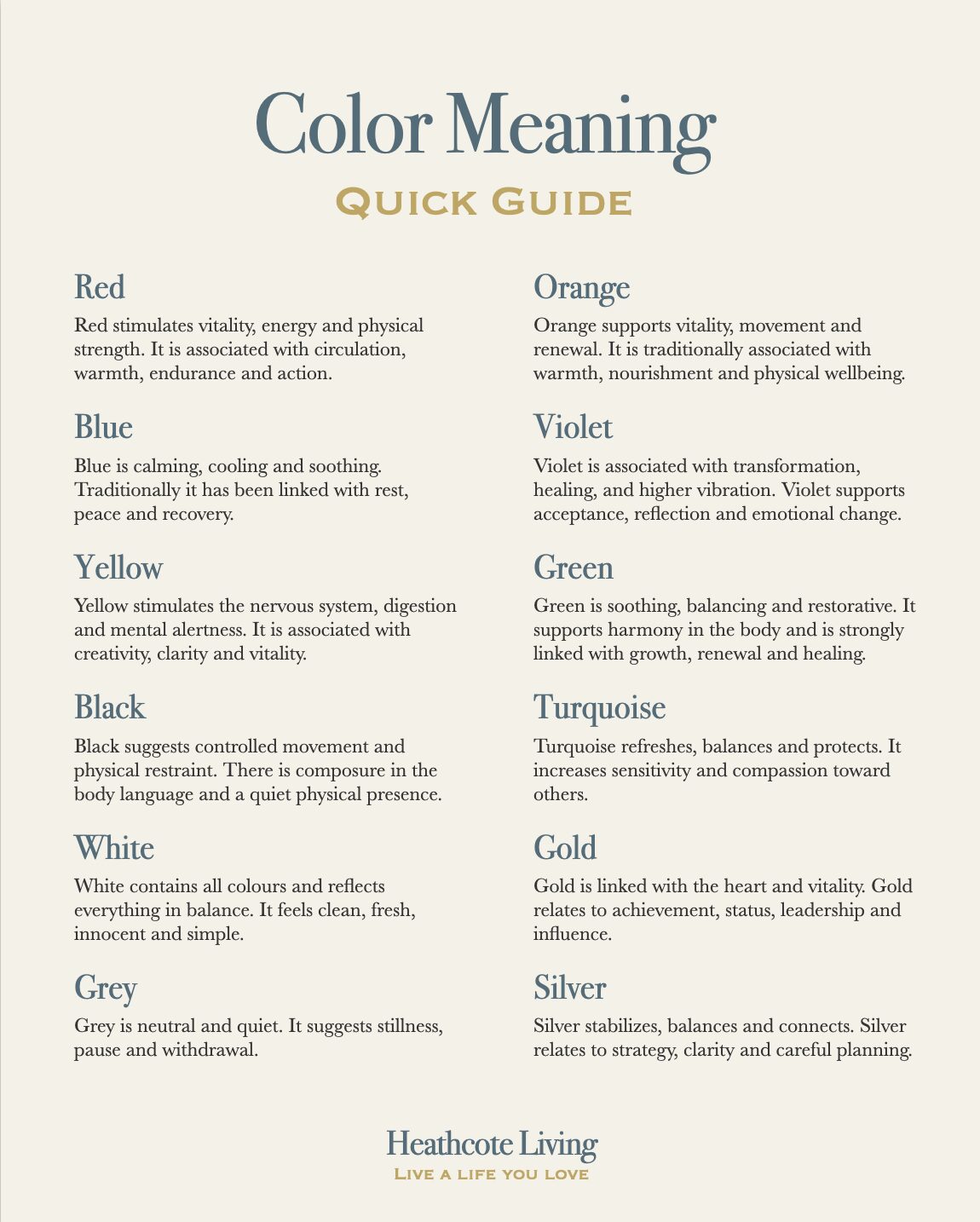
Red stimulates vitality, energy and physical strength. It is associated with circulation, warmth, endurance and action. Red is active, energising and life-affirming.
Red: Emotional
Emotionally, red is passionate, direct and intense. It relates to attraction, desire, courage and strong emotional responses.
Red: Intellectual
Red encourages confidence, competition and assertiveness. It helps timid people step forward and take action.
Red: Spiritual
Red is connected with the root chakra and personal willpower.
Red: Element
The element for red is fire.
Red: Symbolism
Warnings, danger, impulse, stop signs and conflict.
Red: Yes or No?
People who choose red are often ambitious, energetic and freedom-loving. They usually want to participate fully in life and are willing to take initiative.
People who avoid red may feel uncomfortable with confrontation, intensity or expressing their own personal power.
Orange
Orange: Physical
Orange supports vitality, movement and renewal. It is traditionally associated with warmth, nourishment and physical wellbeing.
Orange: Emotional
Orange is cheerful, sociable and uplifting. It encourages enjoyment, celebration and enthusiasm.
Orange: Intellectual
Orange opens the mind to possibilities, new ideas and fresh perspectives. It supports adaptability, problem-solving and independent thinking.
Orange: Spiritual
Orange is connected to the sacral chakra.
Orange: Symbolism
Warnings, caution and awareness.
Orange: Yes or No?
People who choose orange are often dynamic, expressive and independent. They usually enjoy creativity, abundance and social connection.
People who avoid orange may struggle with pleasure, spontaneity or emotional openness.
Yellow
Yellow: Physical
Yellow stimulates the nervous system, digestion and mental alertness. It has long been associated with clarity and vitality.
Yellow: Emotional
Yellow can lift the mood and bring optimism, hope and emotional brightness.
Yellow: Intellectual
Yellow relates to learning, communication, writing, travel and the exchange of ideas. It supports confidence and mental clarity.
Yellow: Spiritual
Yellow brightens the spirit and supports visualization and awareness.
Yellow: Element
The element associated with yellow is air.
Yellow: Yes or No?
People who choose yellow are often optimistic communicators who enjoy learning, teaching and sharing ideas.
People who avoid yellow may feel emotionally disappointed, withdrawn or disconnected from deeper relationships.
Green
Green: Physical
Green is soothing, balancing and restorative. It supports harmony within the body and is strongly linked with growth, renewal and healing.
Green: Emotional
Green creates emotional balance and calm. It supports recovery, compassion and stability.
Green: Intellectual
Green soothes the mind and is connected with prosperity, practical effort and steady growth.
Green: Spiritual
Green relates to the heart chakra, harmony and inner peace.
Green: Element
The element associated with green is earth.
Green: Symbolism
Go, growth and renewal.
Green: Yes or No?
People who choose green are often peace-seeking, community-minded and connected to nature.
People who avoid green may prefer independence and self-development over group belonging or domestic stability.
Blue
Blue: Physical
Blue is calming, cooling and soothing. Traditionally it has been linked with rest, peace and recovery.
Blue: Emotional
Blue brings tranquillity, emotional steadiness and calm reflection.
Blue: Intellectual
Blue encourages clear thinking, fairness and measured communication. It helps de-escalate tension and supports honesty and sincerity.
Blue: Spiritual
Blue is associated with the throat chakra, dreams and spiritual protection.
Blue: Element
The element for blue is water.
Blue: Yes or No?
People who choose blue are often loyal, thoughtful and dependable. They value truth and emotional stability.
People who avoid blue may resist outside influence and prefer to stay focused on their own direction in life.
Indigo
Indigo: Physical
Indigo is cooling, cleansing and calming. It has traditionally been associated with release and purification.
Indigo: Emotional
Indigo deepens empathy and emotional understanding.
Indigo: Intellectual
Indigo clears the mind and encourages thoughtful reflection.
Indigo: Spiritual
Indigo relates to the third eye chakra, intuition and spiritual perception.
Indigo: Element
The element for indigo is plasma.
Indigo: Yes or No?
People who choose indigo are often spiritually aware and drawn to faith, symbolism and deeper meaning.
People who avoid indigo may question organised belief systems or prefer practical approaches over spiritual ones.
Violet
Violet: Physical
Violet is associated with healing, transformation and higher vibration.
Violet: Emotional
Violet supports acceptance, reflection and emotional transformation.
Violet: Intellectual
Violet encourages visionary thinking, abstract ideas and higher concepts. It is linked with imagination, mystery and wisdom.
Violet: Spiritual
Violet relates to the crown chakra, meditation and spiritual awareness.
Violet: Element
Ether.
Violet: Yes or No?
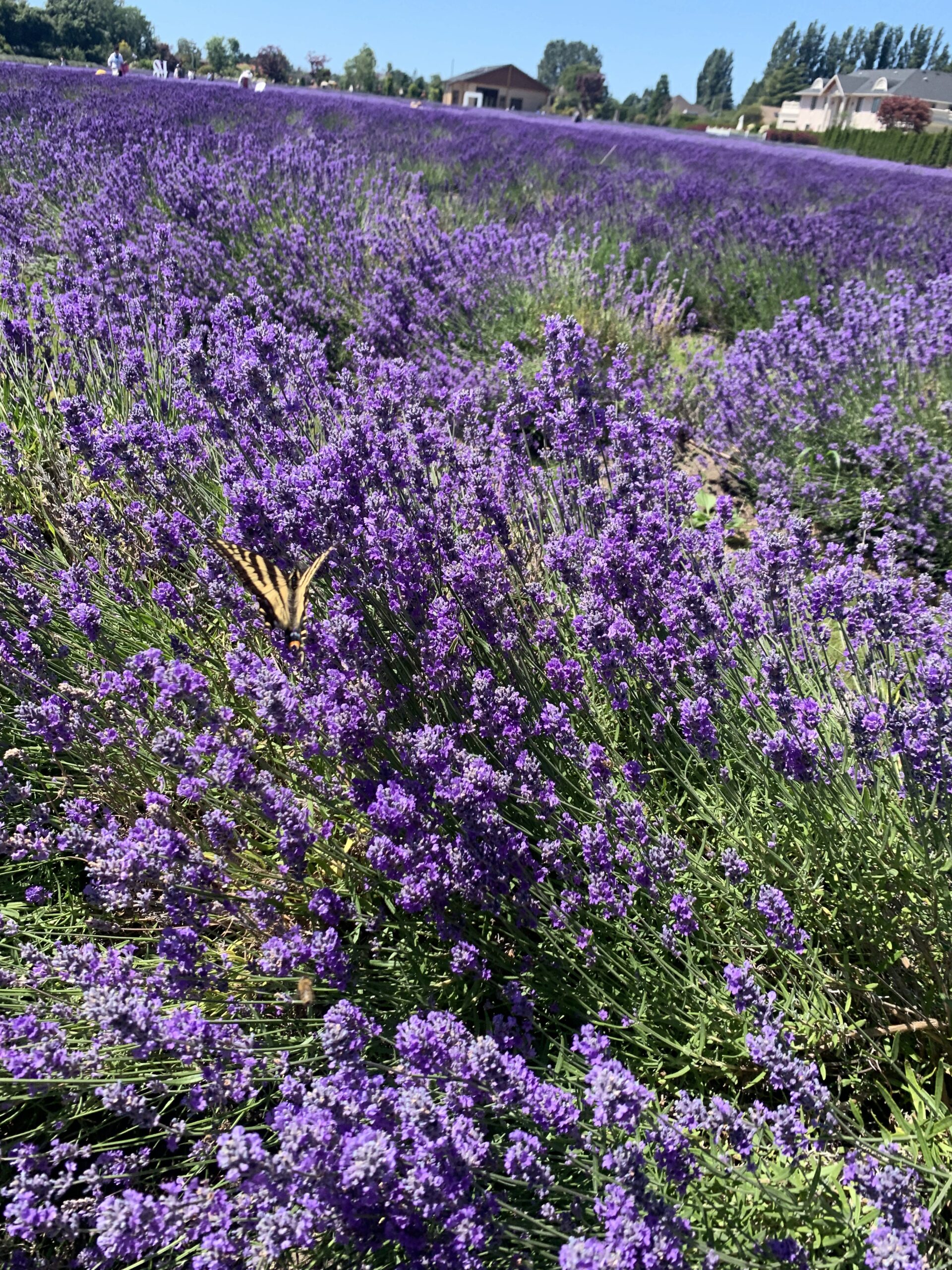
People who choose violet or purple are often drawn to spirituality, creativity and higher understanding.
People who avoid violet may prefer practical reality over mystical or alternative perspectives.
Pink
Pink: Physical
Pink is traditionally associated with gentleness, softness and nurturing energy.
Pink: Emotional
Pink relates to affection, tenderness and emotional warmth.
Pink: Intellectual
Pink often sees situations through compassion and emotional understanding.
Pink: Spiritual
Pink is connected with love, kindness and self-love.
Pink: Yes or No?
People who choose pink are often gentle, non-confrontational and caring.
People who avoid pink may prefer directness, independence and stronger outward energy.
Magenta
Magenta: Physical
Magenta is energising and dynamic. It is linked with vitality and inner strength.
Magenta: Emotional
Magenta harmonises emotions while still carrying intensity and passion.
Magenta: Spiritual
Magenta strengthens personal magnetism and connection to life purpose.
Magenta: Yes or No?
People who choose magenta often seek self-realisation and personal empowerment.
People who avoid magenta may prefer a quieter emotional life and avoid emotional intensity.
Turquoise
Turquoise: Physical
Turquoise is refreshing, balancing and protective.
Turquoise: Emotional
Turquoise increases sensitivity and compassion toward others.
Turquoise: Intellectual
Turquoise encourages originality, insight and inventive thinking.
Turquoise: Spiritual
Turquoise supports intuition and clear inner guidance.
Turquoise: Yes or No?
People who choose turquoise are often humanitarian and future-focused.
People who avoid turquoise may prefer stability, predictability and conventional approaches.
Brown
Brown: Physical
Brown is grounded, steady and connected with the natural world.
Brown: Emotional
Brown supports emotional stability, practicality and reliability.
Brown: Intellectual
Brown values tradition, consistency and common sense.
Brown: Spiritual
Brown connects with ancestry, roots and the wisdom of the past.
Brown: Element
Wood.
Brown: Yes or No?
People who choose brown are often practical, dependable and comforted by stability and nature.
People who avoid brown may seek adventure, change and freedom from convention.
Grey
Grey: Physical
Grey is neutral and quiet. It can suggest stillness, pause and withdrawal.
Grey: Emotional
Grey can feel calm and cozy, though at times melancholy or emotionally distant.
Grey: Intellectual
Grey is thoughtful, cautious and observant.
Grey: Spiritual
Grey represents transitional states and periods of waiting or reflection.
Grey: Element
The element for grey is ash.
Grey: Yes or No?
People who choose grey are often conventional, adaptable and comfortable blending into established systems.
People who avoid grey usually prefer brightness, individuality and self-expression.
The Metallics
Metals
Moving away from the main spectrum colors and hues now let's have a look at the metallics.
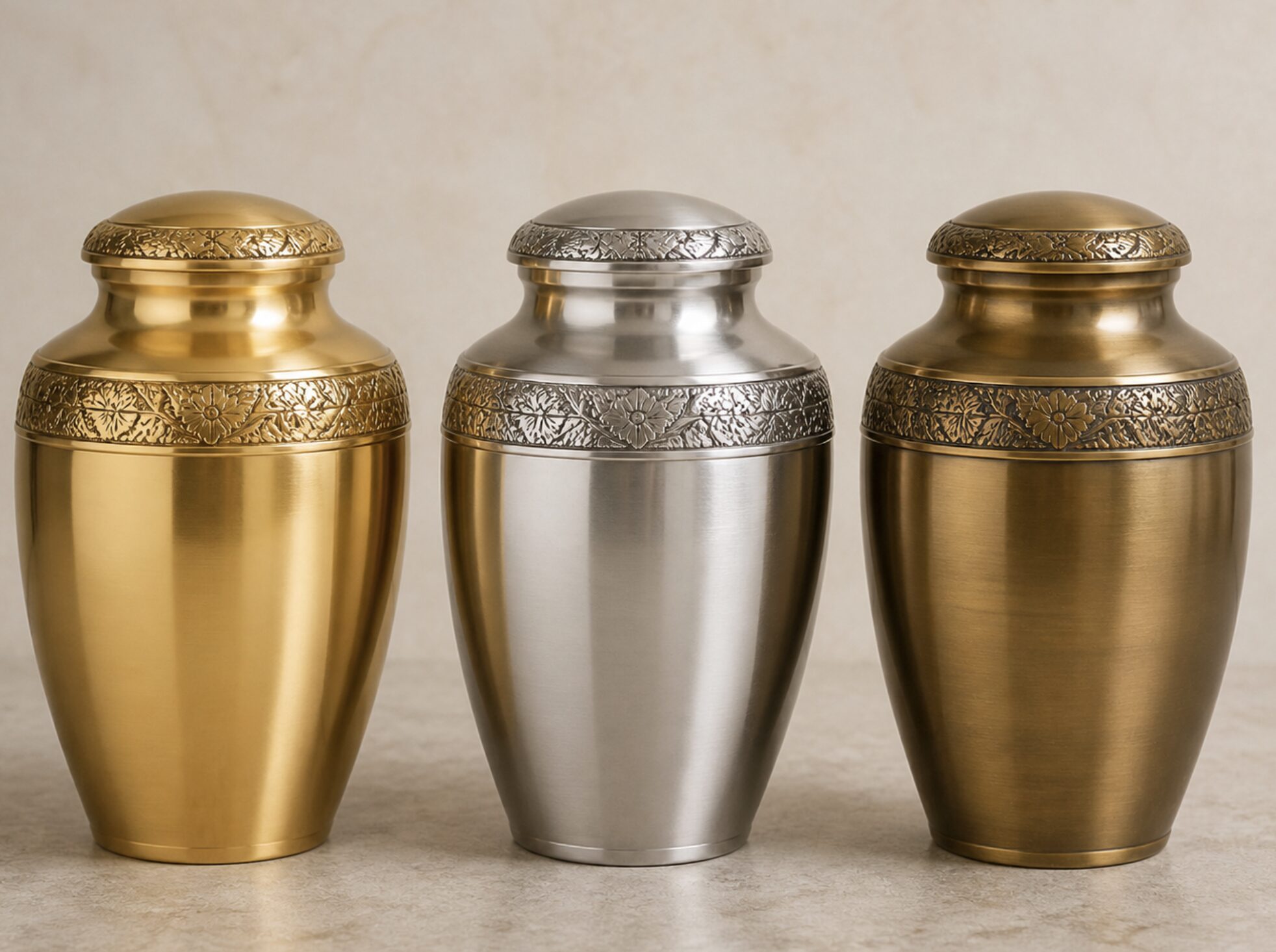
The metallics are all the colors of metals.
Top Metals
Gold, silver and bronze are the obvious metals, but there are others like copper which has a different sheen.
Bronze and brass are lumped together because they look the same.
Other Metals
Other metals like tin, steel, pewter, platinum and titanium just look like silver, so they don't really count as separate metallics.
Gold
Gold: Physical
Gold is linked with the heart and vitality.
Gold: Intellectual
Gold relates to achievement, status, leadership and influence. Power and power plays. Money and money markets
Gold: Spiritual
Gold symbolizes higher consciousness, mastery and illumination. Gold represents God, spiritual leaders, masters and goddesses. It is the highest possible level of consciousness.
Gold: Element
The element for gold is, you guessed it, gold.
Gold: Yay or Nay?
People who choose gold seek recognition, excellence and leadership. They are winners, elitists, leaders and take first place. They want to be seen but they do not always see you. They frequently live secluded lives and often they don't want to know you.
People who shun gold are followers, community oriented and enjoy fellowship. People who avoid gold may value community, equality and shared experiences over status.
Silver
Silver: Physical
Silver stabilises, balances and connects.
Silver: Intellectual
Silver relates to strategy, clarity and careful planning.
Silver: Spiritual
Silver is associated with intuition, psychic awareness and subtle insight.
Silver: Element
Silver, platinum, pewter and similar metals.
Silver: Yay or Nay?
People who choose silver are often supportive, perceptive and comfortable working behind the scenes.
People who avoid silver may either seek the spotlight or prefer simpler roles without complexity.
Bronze and Brass
Bronze and Brass: Emotional
Bronze supports loyalty, friendship and dependable relationships.
Bronze and Brass: Intellectual
Bronze suggests steadiness, reliability and teamwork.
Bronze and Brass: Element
The Bronze Age and traditional craftsmanship.
Bronze and Brass: Yay or Nay?
People who choose bronze are often balanced and dependable.
People who avoid bronze may prefer stronger contrasts and more intense experiences.
Copper
Copper: Physical
Copper has long been associated with warmth, vitality and distinctive colouring such as auburn hair.
Copper: Emotional
Copper carries emotional warmth with a softer expression of anger or frustration.
Copper: Intellectual
Copper recognises the importance of exchange, trade and the flow of information.
Copper: Spiritual
Copper is considered a conductor of energy and spiritual messages.
Copper: Element
The element for copper is, you guessed it, copper.
Copper: Yay or nay?
People who choose copper are often connectors, communicators and gatherers of information.
People who avoid copper may prefer independence and self-reliance over collaboration or shared perspectives.
Resources For You
Books
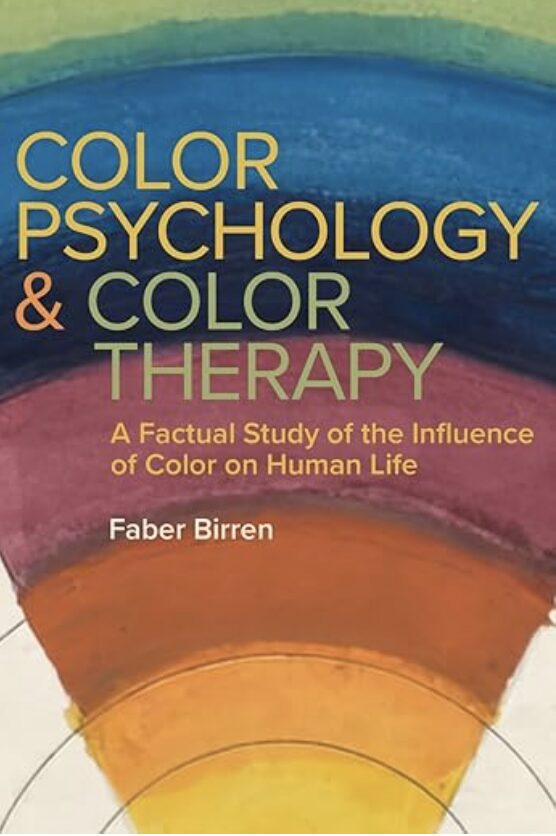
Here are some books which may interest you:
Cards
Here are some card decks which may interest you.
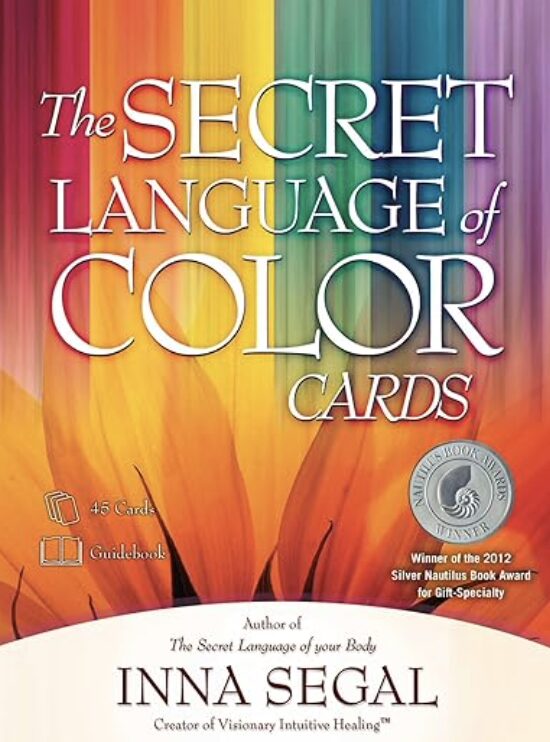
- The Secret Language of Color by Inna Segal
Author Bio
Alison Heathcote writes about living creatively and building a meaningful life on your own terms. Through gentle reflections on solo living, home and everyday creativity, she explores how to shape a life that feels calm, intentional and deeply your own. More

Sketching Butterflies
In this article, I share with you how I began sketching little butterflies in my mini square sketchbook.

Seasons of Art Group
Seasons of Art is a group that meets once each season with a focus on developing creativity and self-care through simple art and journaling.

Simple Daily Art Cards for a Creative Life
This article is about living a creative life and making art but where you don’t have to go overboard to be creative.
How to Do a 1-Day Writing Retreat
A 1-day writing retreat is a great way to get started with writing retreats, writing and retreats in general.
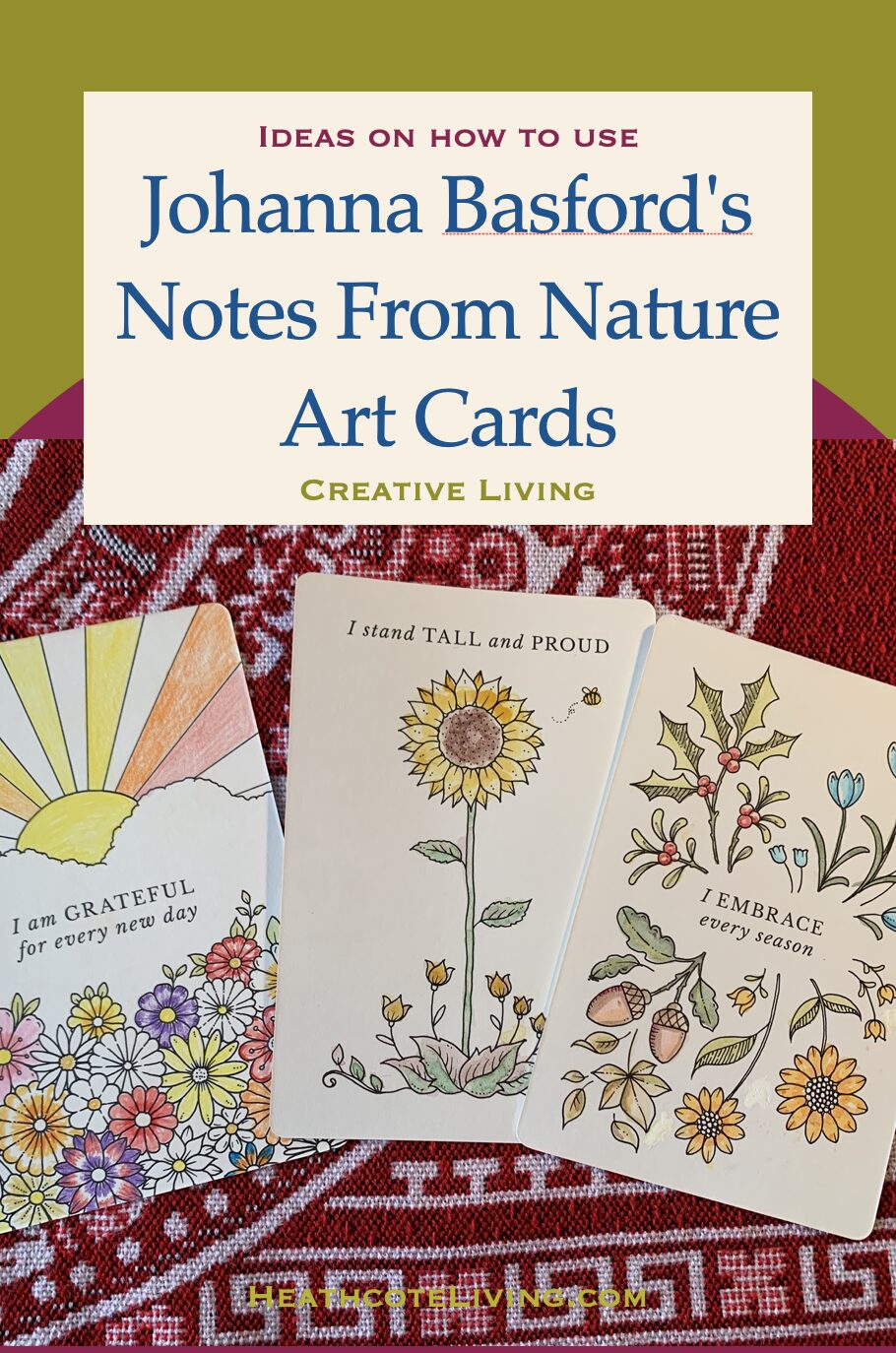
How to Use “Notes From Nature” Art Cards
Discover how to use Notes from Nature art cards from Johanna Basford.
Artist Trading Card Club: Downtown Vancouver
An Artist Trading Card Club in downtown Vancouver coming soon.
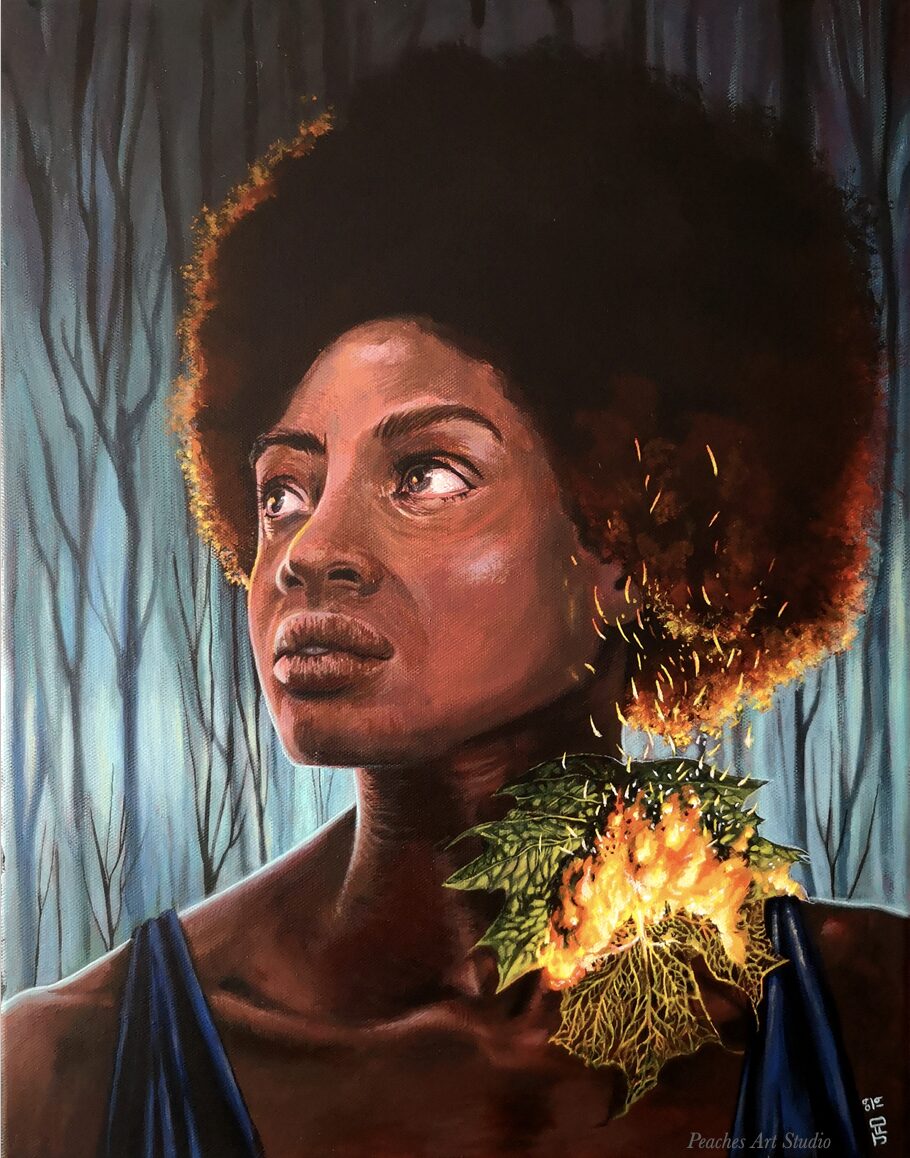
Meet the Artist: Jules – Watercolor Artist from Peaches Art Studio
I was delighted to meet with and interview an exceptional artist and friend of mine, Jules, from Toronto, Canada.
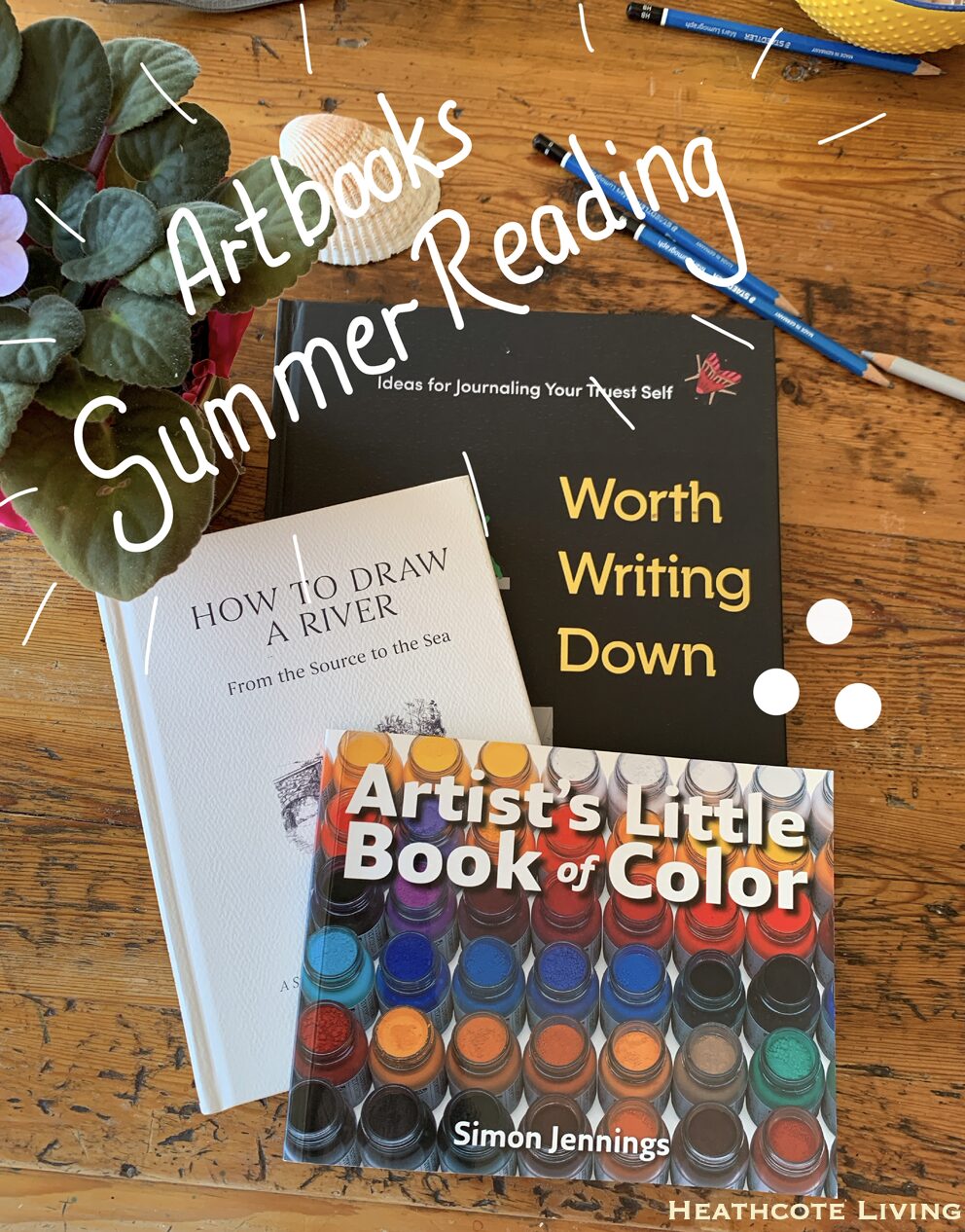
Top 3 Art Books I’m Reading This Summer as a Hobby Artist
Summer is the perfect time to slow down with a good book and a cool drink. These books are keeping my creative mind buzzing and my hands itching to pick up a paintbrush.
Meet the Artist: Claire – Graphic Designer from Price Design Studio
In this artist interview, get more inspiration and meet Claire, a graphic designer and founder of Price Design Studio.
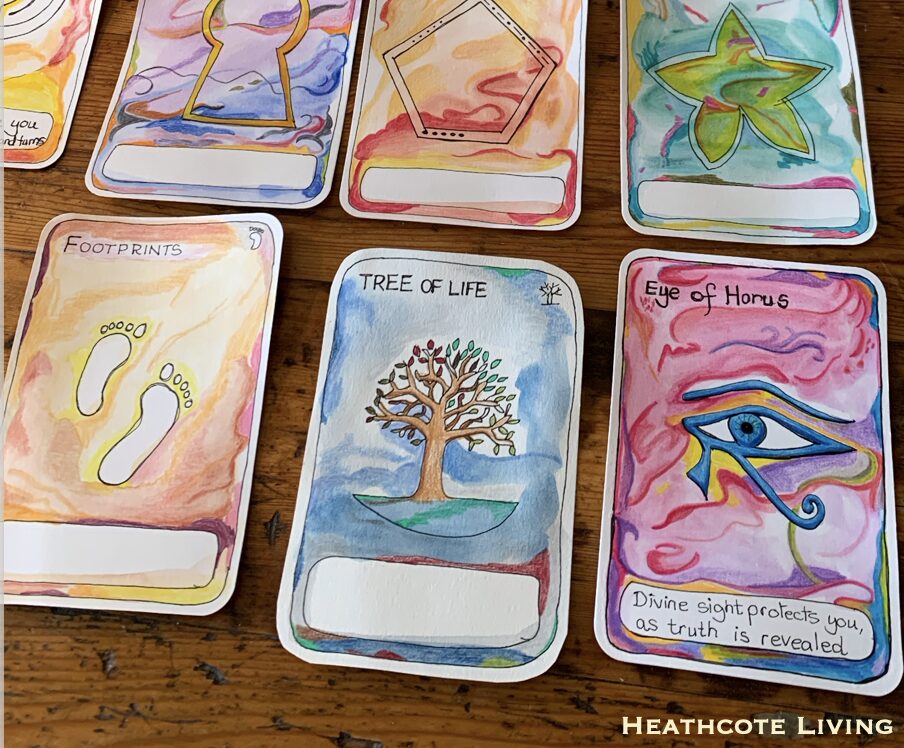
Create Your Own Artspiration Card Deck
Creating your own artspiration cards is a fun and quick practice for any hobby artist. These little cards give you a spark of inspiration whenever you need it.