
The Doll's House Maker
Arnold's Story
Background
Arnold was married and had three kids at elementary school.
Arnold's skill was woodworking, clockmaking and other types of tinkering.
His talent was designing, crafting and finishing wooden dolls houses.
With having two daughters he had made the first doll's house when the girls were very young, and they had hours of fun playing with it.
Day Job
Arnold worked in a factory as his day job.
He did not earn much and Christmas was coming.

Doll's House
Original Design
That year living in Johannesburg, he designed an original traditional Cape Dutch doll’s house.
The roof was painted in magic green and this set off the rustic style of the house beautifully.
The side hinged out so a child could play with the dolls and furniture and live out a fantasy life in miniature.
Orders
That year Arnold made a sample house and invited the neighbours around to see and hopefully to take orders.
Arnold received ten orders for his doll's house that night.
That meant he had four weeks to complete the work.
Naturally he was excited.
The next Monday be received another order or an additional five houses from the original people who had seen the sample house, and who had told their friends.
And so it was.
Arnold had verbal orders to build fifteen wooden doll's houses by Christmas Eve.
Which he did.
Craftsman
He worked a forty-hour week at the factory and then every evening after dinner he started sawing and nailing wood in his garage.
He worked every weeknight until midnight and all day at the weekend.
It took time.
Every piece was cut and sanded by hand.
The sides were glued and nailed together.
The paint had to dry.
He took pride in his work.
The Plan
Supplies
He had bought all the materials like wood, glue, nails and paint which he needed to make the doll's houses for around $200.
He already had many woodworking tools.
Pricing
Arnold planned to sell each house for $20 each.
So, his fifteen houses would be (15 x $20 = $300), and with the outgoing of $200 it will potentially provide him with a profit of $100.
This was the plan.
In the end he made the fifteen doll's houses.
Income
He was paid for ten as he delivered them the day before Christmas Eve, but unfortunately, he did not get paid for the final five.
Why, because he was too late in delivering them (the plan was Christmas Eve), but the people who had ordered the houses from him became nervous, that they would be let down, and so they bought other gifts for their kids.
That meant they did not have the cash to pay for the doll’s houses they had verbally ordered from Arnold.
In the end Arnold broke even and was left with five doll's houses.
Unpaid Effort
Of course he may have broken even in the money numbers, but he was not compensated for all the work he had done for the past four weeks.
That time, energy and effort he was not paid for.
He was tired and had no extra cash for his family for their Christmas meal and gifts.
During the New Year he managed to sell the other houses, eventually.
What Went Wrong?
Selling Psychology
This happens often that crafts people go into micro businesses (which is what it is if you make things to sell).
They do not fully understand the time commitment required.
They are not clear on how to price correctly for their hand made goods.
What He Could Have Done
Arnold could have:
- Taken a deposit for each order.
- Delivered the houses one-by-one as they were made.
- Charged a little more for each house.
- Got help building the houses.
- Made fewer houses, at a better price, which could have been delivered earlier.
Overarch
Awareness
You can benefit from Arnold's story in your micro craft or creative business.
There are a few things you can do to improve how you manage your small craft business and I will discuss them in future posts.
- Your first sale.
- How to calculate the true cost of your hand-crafted items.
- What to charge for your hand-crafted goods.
- How and why, you should take a deposit.
- How to respect your skills and charge accordingly.
- What to do with the money you make.

Author Bio
Alison Heathcote writes about living creatively and building a meaningful life on your own terms. Through gentle reflections on solo living, home and everyday creativity, she explores how to shape a life that feels calm, intentional and deeply your own. More

Sketching Butterflies
In this article, I share with you how I began sketching little butterflies in my mini square sketchbook.

Seasons of Art Group
Seasons of Art is a group that meets once each season with a focus on developing creativity and self-care through simple art and journaling.

Simple Daily Art Cards for a Creative Life
This article is about living a creative life and making art but where you don’t have to go overboard to be creative.

How to Do a 1-Day Writing Retreat
A 1-day writing retreat is a great way to get started with writing retreats, writing and retreats in general.
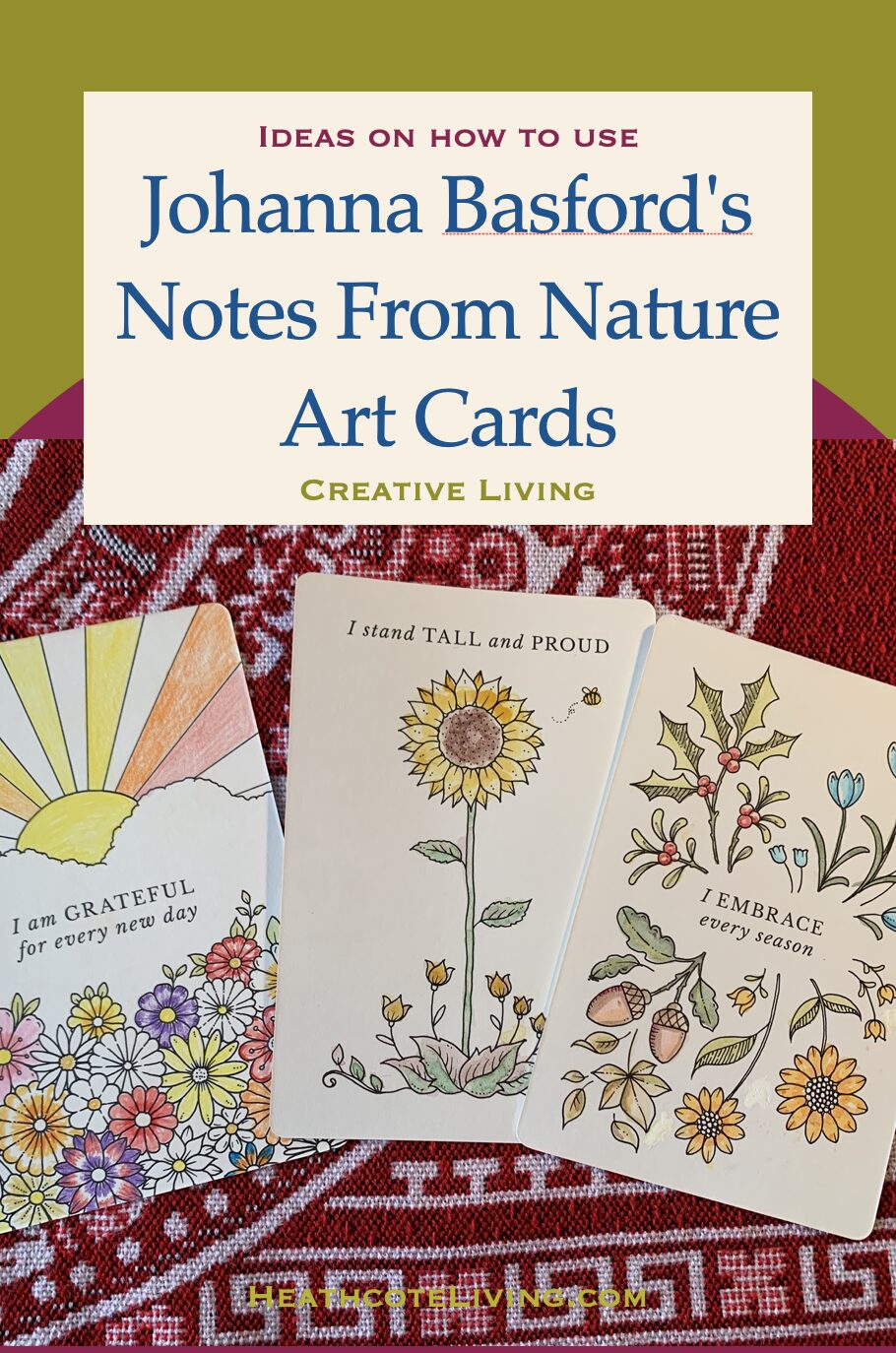
How to Use “Notes From Nature” Art Cards
Discover how to use Notes from Nature art cards from Johanna Basford.

Artist Trading Card Club: Downtown Vancouver
An Artist Trading Card Club in downtown Vancouver coming soon.

Meet the Artist: Jules – Watercolor Artist from Peaches Art Studio
I was delighted to meet with and interview an exceptional artist and friend of mine, Jules, from Toronto, Canada.
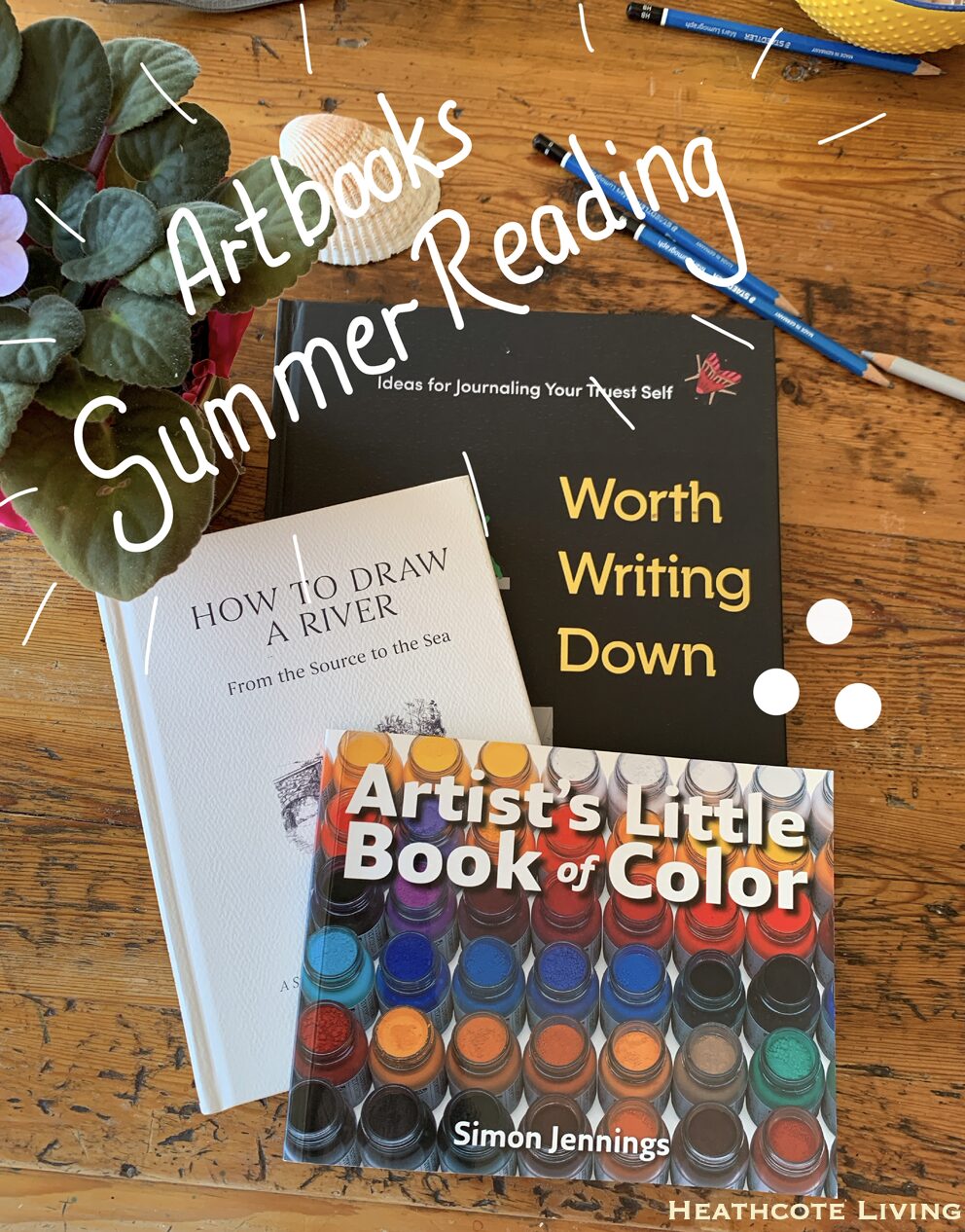
Top 3 Art Books I’m Reading This Summer as a Hobby Artist
Summer is the perfect time to slow down with a good book and a cool drink. These books are keeping my creative mind buzzing and my hands itching to pick up a paintbrush.
Meet the Artist: Claire – Graphic Designer from Price Design Studio
In this artist interview, get more inspiration and meet Claire, a graphic designer and founder of Price Design Studio.
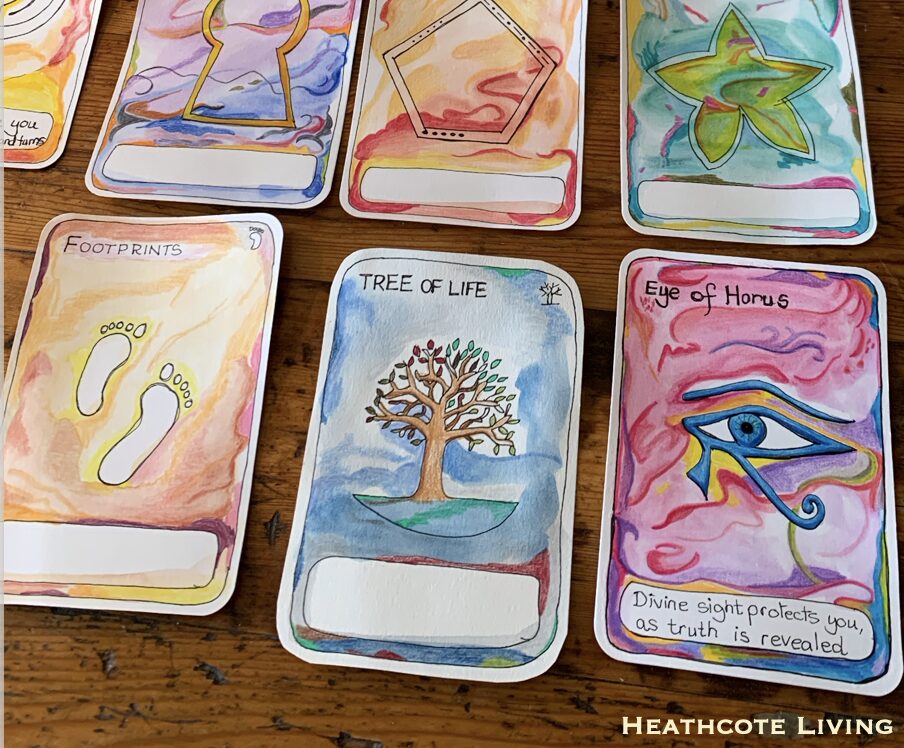
Create Your Own Artspiration Card Deck
Creating your own artspiration cards is a fun and quick practice for any hobby artist. These little cards give you a spark of inspiration whenever you need it.