The Sewing Lady
The Sewing Lady
Craft: Sewing
Patricia sewed.
She loved sewing and had always made her own clothes and those for her growing family.
She enjoyed making sweatpants for the six months to two-year old age group.
Small Business
She decided to try to sell her made garments and began with some kid's pants.
With a simple design and elasticated waist and cuffs sweatpants were the first item she focused on.
After many evenings creating samples with a variety of jersey cloth, she felt she was ready for the big wide world upon which to unleash her creations.
Samples
She stitched up her samples and stated to take orders from her friends.
Next there was a small commission from the local kids clothing shop.
It was small potatoes, but she kept going.
She enjoyed working with her hands.
Retirement
Patricia was recently retired and now had the time to give to her sewing.
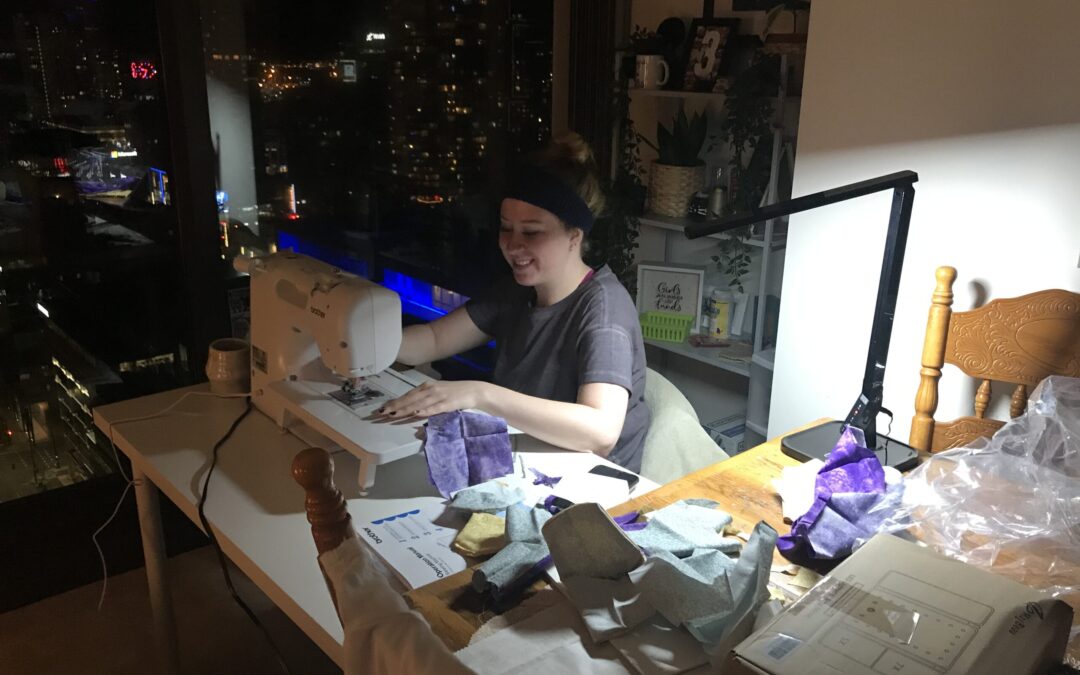
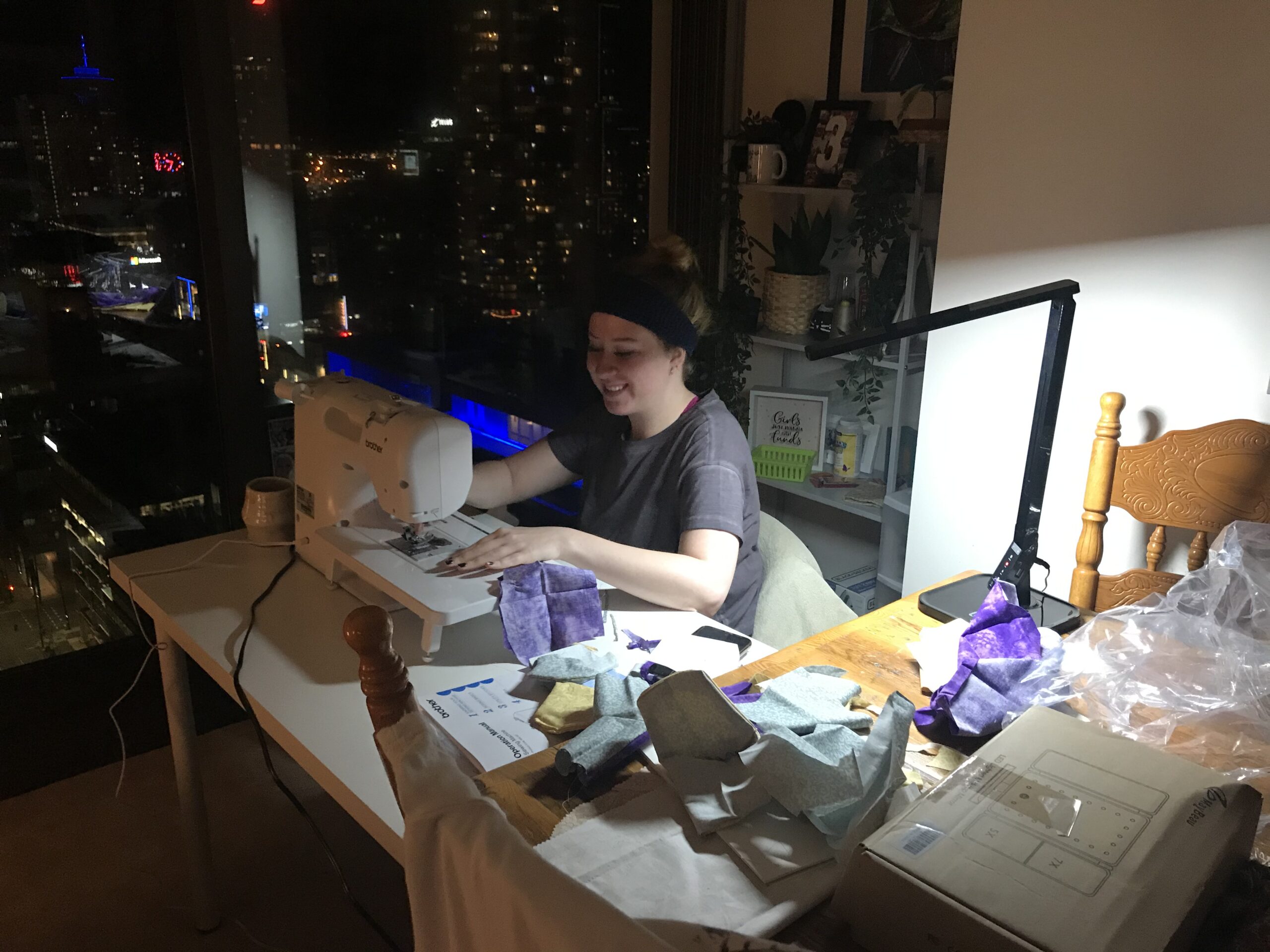
She placed her craft table in front of the window and was ready to begin.
She only sat at her machine during the day and only when the light was good.
By starting sewing at 10am Patricia worked until 3pm each day in the first week from Monday to Friday.
Orders
At first, she sewed in the colour and with the cloth she liked.
As time went on, she took orders for ten blue and ten red sweatpants. these were the popular colours for the pants.
The Sweet Spot
The Drapers
By buying the material in bulk, getting a little discount from the draper and making ten blue and red size small, all in one sitting she soon reached her sweet spot where she could not be any more efficient.
At this stage she could make 19 pants a week.
This was not that many really, but more than she used to make as a hobby.
Sewing Timetable
This was how her production weak was structured:
- Cutting out on Monday
- Sewing the main seams on Tuesday
- Finishing off the garments on Wednesday
- Pressing the pants on Thursday
- Packaging and posting her finished items on Friday
Week in and week out.
Full Production
Capacity
Now whilst this is good in the short term (six months) there comes a time when you can't keep up with the orders.
The kid's shop that took ten a week had a branch in another city and wanted ten for that shop as well.
What to do?
No Work No Pay
If Patricia got ill, she couldn't sew.
She was turning over $40 and making $160 each week at full tilt.
But 19 garments were all she could make.
She could only make nineteen sweatpants a week.
If she took a day off, she made less money.
It was a case of no work and no pay.
Time and Money
Maxed Out
The realization eventually came to her that she could never make more money, but only make less.
That no matter how hard she tried there was a physical limit to how much she could do each week.
The worst part was that it all depended on her doing it.
All of it.
Burnout
With no one else to help and no more time, she could do no more and earn no more money.
And because the sweatpants kept her so busy she couldn't do the other creative work which had drawn her to sewing in the first place.
The Challenge
Piecework Doesn't Work
This is a challenge faced by many crafters.
Between earning some money, which is important, and being creative and enjoying what you do.
This is known as piece work when you are paid by the item.
If there are no items to sell there is no pay for you.
But piecework is an entry into having an independent micro business and this is what attracts many people every year to the potential freedom of it all.
Overarch
Steady
Piecework as a way of making money does work.
It has its place and can be sustained indefinitely.
It is what I recommend to crafters and creators to get them going and just start.
Take the plunge and get you stuff out there.
Creators
The principle of piecework does not just affect sewing ladies, you could be a crocheter, woodworker, pie baker or metal worker.
Whatever your creative outlet, there is a place for piecework within that.
I believe that it works better at the beginning of your creative journey, but in time you may wish to change things up so you are not yoked to the principle of no-work-no-pay.
But if you are not just a craftsperson, you are a creator, you will want to make new and exciting designs, garments or other pieces.
I'll be talking more about these options soon.

Author Bio
Alison Heathcote writes about living creatively and building a meaningful life on your own terms. Through gentle reflections on solo living, home and everyday creativity, she explores how to shape a life that feels calm, intentional and deeply your own. More

Sketching Butterflies
In this article, I share with you how I began sketching little butterflies in my mini square sketchbook.

Seasons of Art Group
Seasons of Art is a group that meets once each season with a focus on developing creativity and self-care through simple art and journaling.

Simple Daily Art Cards for a Creative Life
This article is about living a creative life and making art but where you don’t have to go overboard to be creative.
How to Do a 1-Day Writing Retreat
A 1-day writing retreat is a great way to get started with writing retreats, writing and retreats in general.
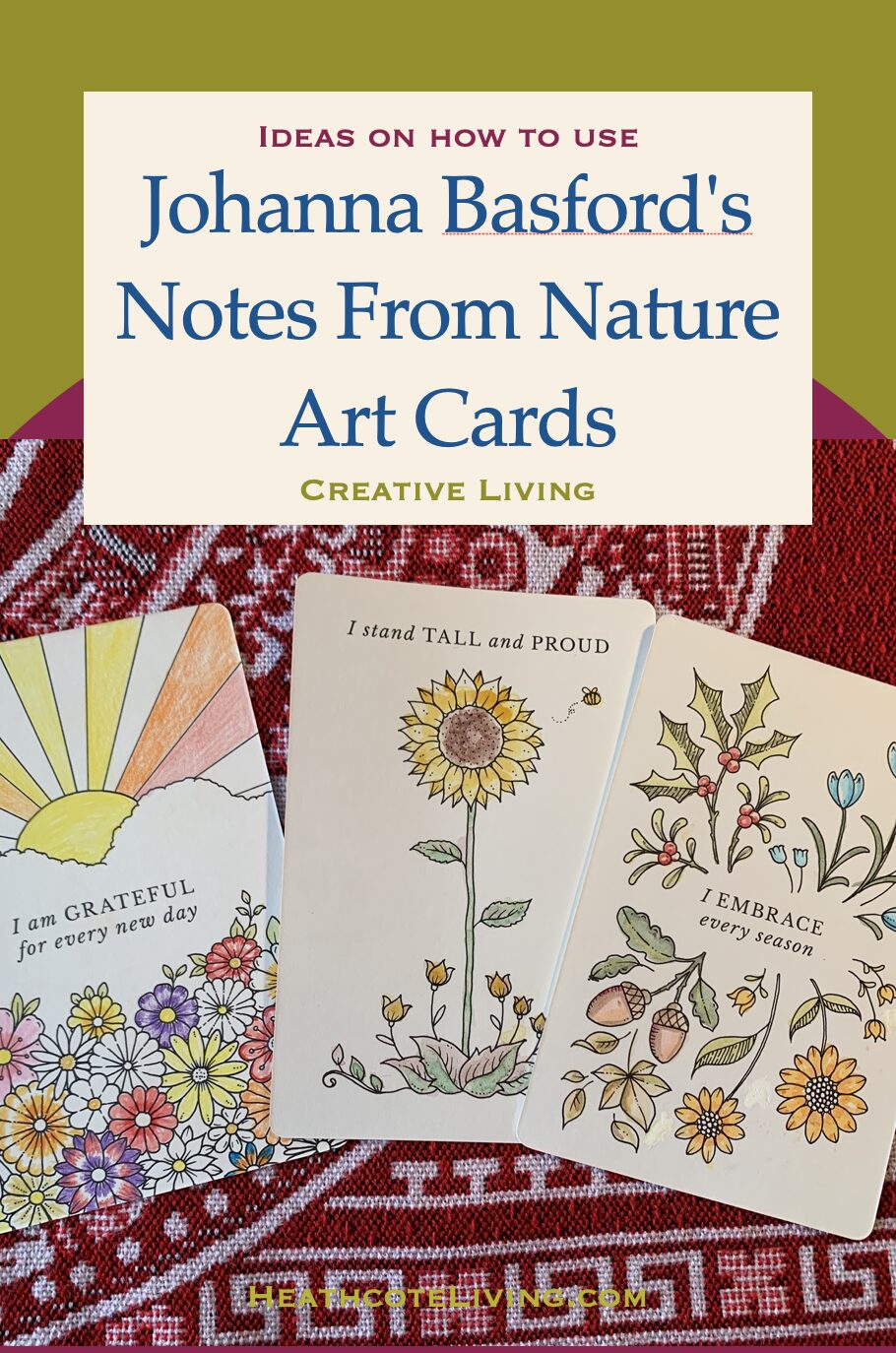
How to Use “Notes From Nature” Art Cards
Discover how to use Notes from Nature art cards from Johanna Basford.
Artist Trading Card Club: Downtown Vancouver
An Artist Trading Card Club in downtown Vancouver coming soon.
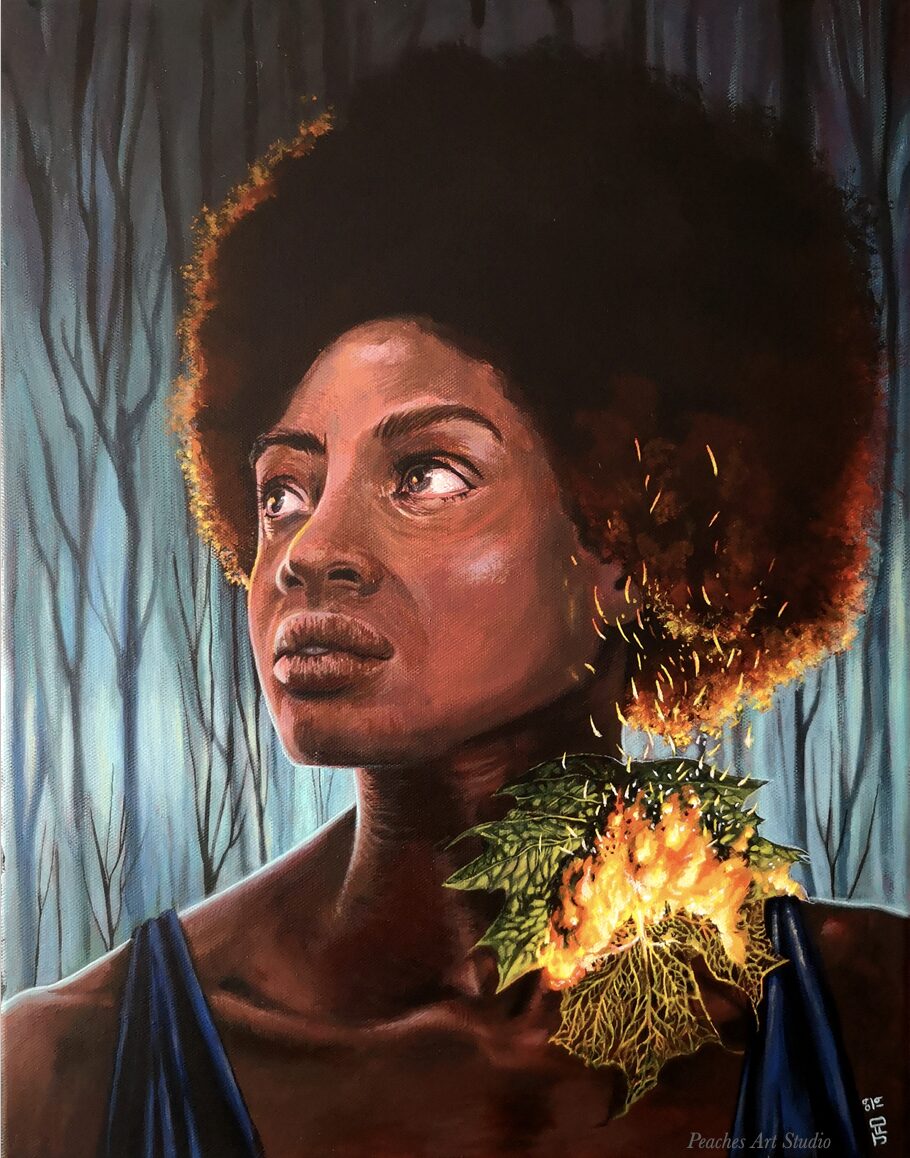
Meet the Artist: Jules – Watercolor Artist from Peaches Art Studio
I was delighted to meet with and interview an exceptional artist and friend of mine, Jules, from Toronto, Canada.
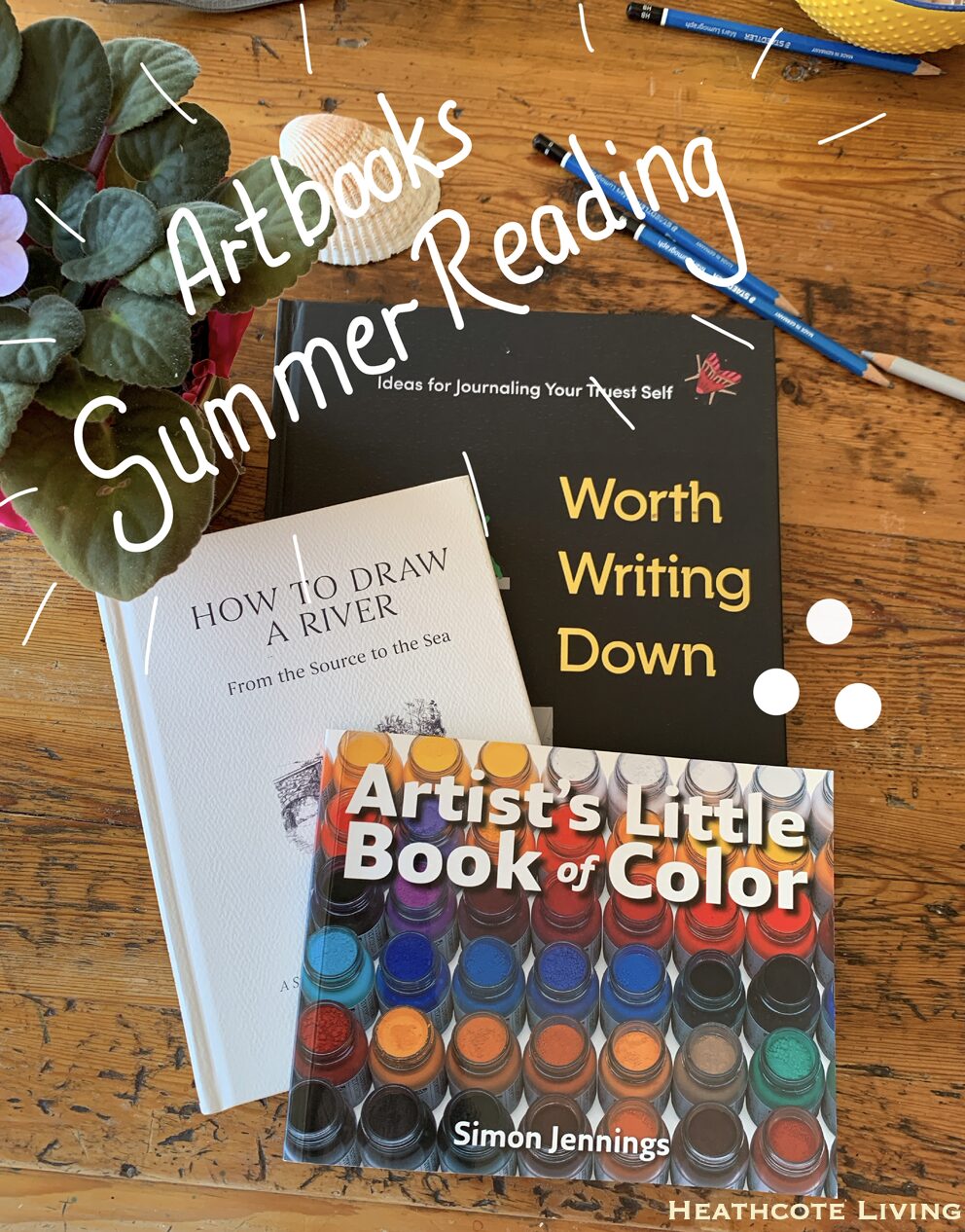
Top 3 Art Books I’m Reading This Summer as a Hobby Artist
Summer is the perfect time to slow down with a good book and a cool drink. These books are keeping my creative mind buzzing and my hands itching to pick up a paintbrush.
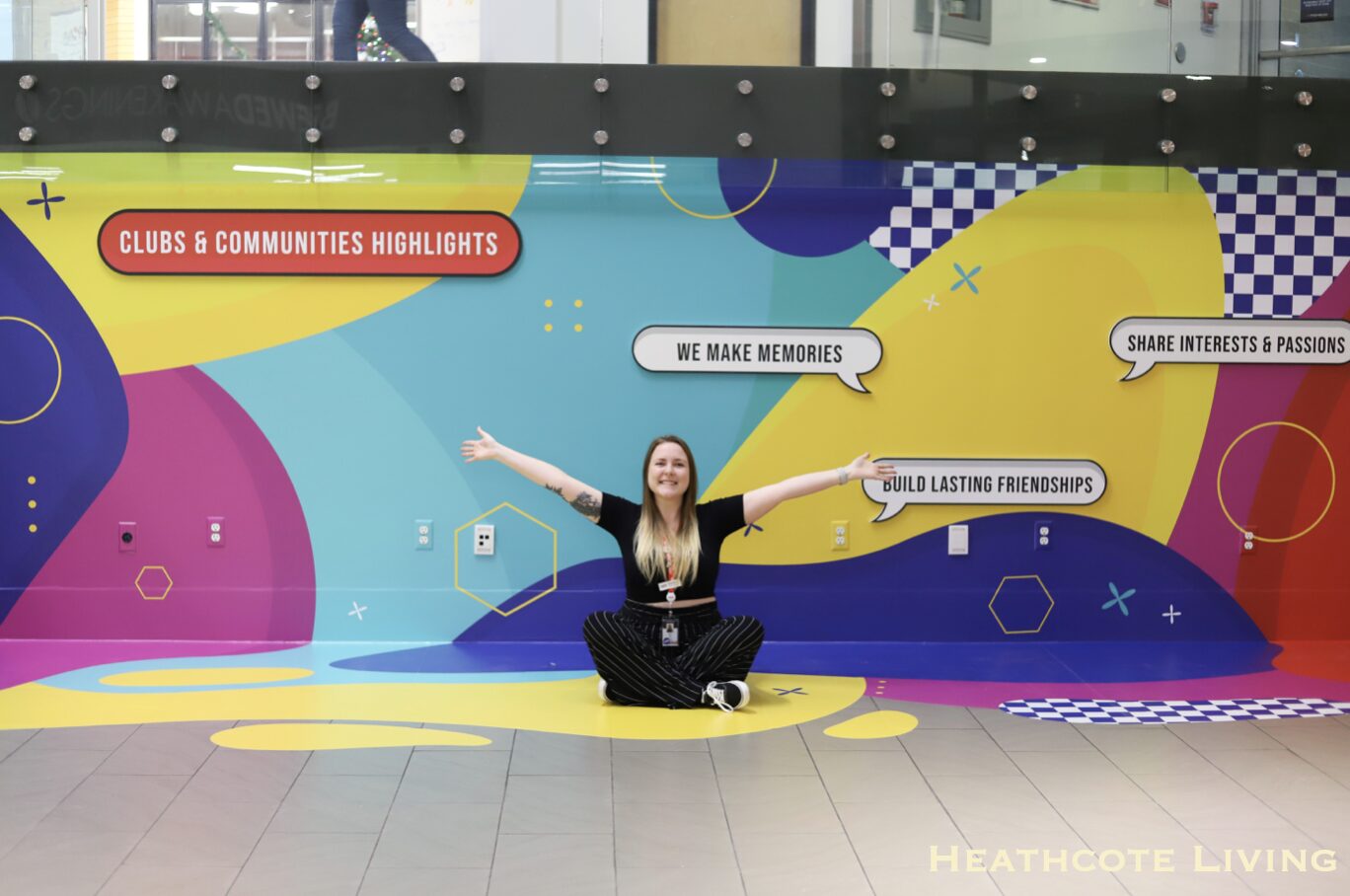
Meet the Artist: Claire – Graphic Designer from Price Design Studio
In this artist interview, get more inspiration and meet Claire, a graphic designer and founder of Price Design Studio.
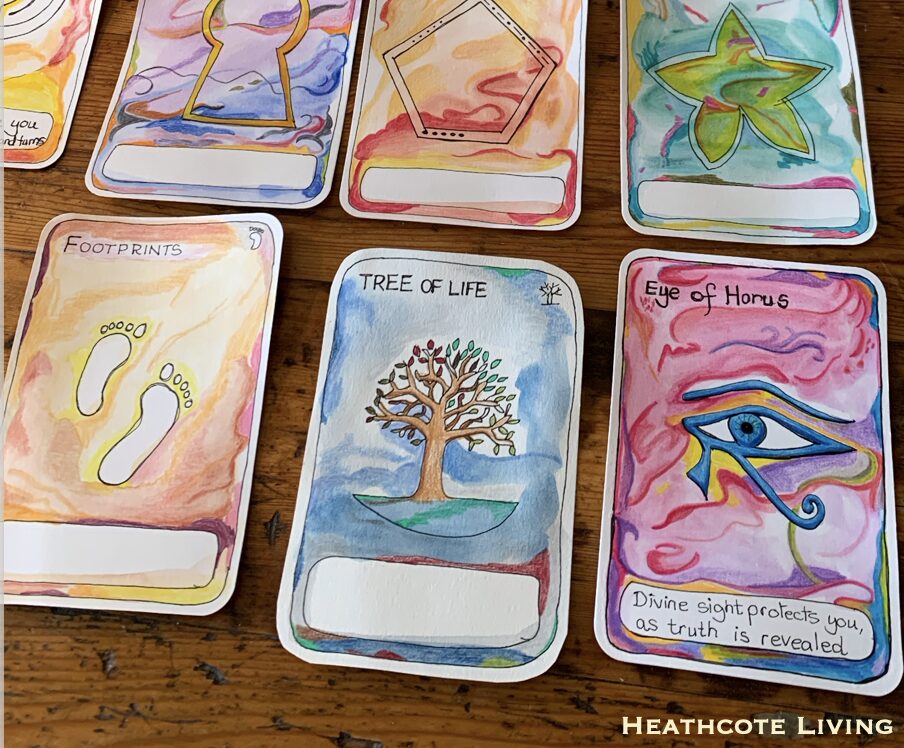
Create Your Own Artspiration Card Deck
Creating your own artspiration cards is a fun and quick practice for any hobby artist. These little cards give you a spark of inspiration whenever you need it.